

As a spray foam contractor, your insulation gun is the cornerstone of every successful project. Understanding proper handling, maintenance, and operational techniques can mean the difference between profitable jobs and costly callbacks. This comprehensive guide breaks down the critical do’s and don’ts every professional needs to master for optimal spray foam application performance.
The Essential Do’s: Best Practices for Gun Operation
Always Preheat Your Equipment Properly
Temperature control is non-negotiable in spray foam applications. Before starting any job, preheat your spray gun and hoses to manufacturer specifications—typically between 120-140°F for most systems. This ensures proper chemical viscosity and atomization at the nozzle. Cold equipment leads to poor mixing ratios, uneven spray patterns, and reduced foam density. Use proportioner heaters consistently and allow at least 15-20 minutes of circulation time before pulling the trigger on actual work.
Maintain Consistent Gun Distance and Movement
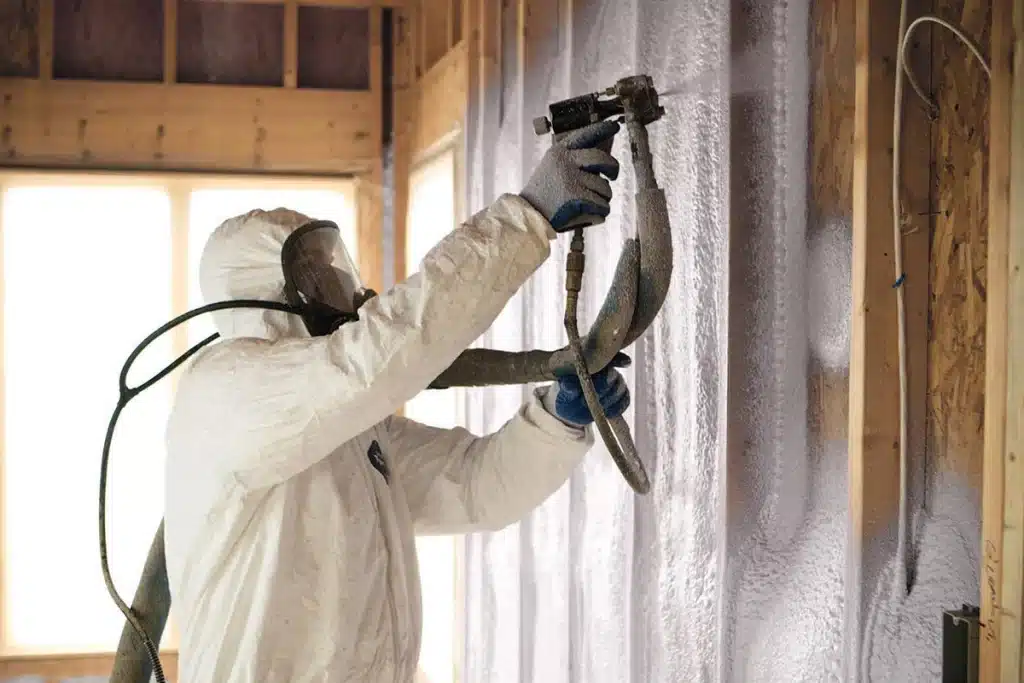
Professional contractors know that proper technique creates uniform coverage. Hold your spray foam gun 18-24 inches from the substrate surface and maintain this distance throughout your pass. Move in steady, overlapping strokes at approximately 12-18 inches per second. Inconsistent speed or distance creates thin spots, oversprayed areas, and material waste. Think of it like spray painting—smooth, controlled movements produce the best results every time.
Clean Your Gun Thoroughly After Every Use
Gun maintenance isn’t optional—it’s essential for equipment longevity. Flush your spray foam gun with appropriate cleaning solvent immediately after completing work, even if you’re taking a short break. Cured foam inside the mixing chamber or on the nozzle can permanently damage components and cost thousands in repairs or replacement. Run solvent through until it flows clear, then perform a visual inspection of all seals, o-rings, and the mixing chamber for residue buildup.
Monitor and Adjust Pressure Settings Regularly
Your proportioner’s pressure balance directly affects foam quality. Check A-side and B-side pressures before every job and adjust them to stay within the manufacturer’s specified range—typically within 50-100 PSI of each other. Imbalanced pressures create off-ratio foam with poor R-value, excessive shrinkage, or friability. Digital pressure gauges provide real-time feedback, allowing you to catch issues before they compromise your application.
Wear Appropriate Personal Protective Equipment
Safety protocols protect both your health and your business. Always wear a full-face respirator rated for isocyanates, chemical-resistant gloves, and protective clothing when operating spray foam equipment. Isocyanate exposure can cause respiratory sensitization and serious long-term health effects. Professional contractors understand that PPE isn’t just OSHA compliance—it’s smart business that prevents workers’ compensation claims and keeps your crew healthy.
The Critical Don’ts: Mistakes That Cost You Money
Never Skip Pre-Job Equipment Testing
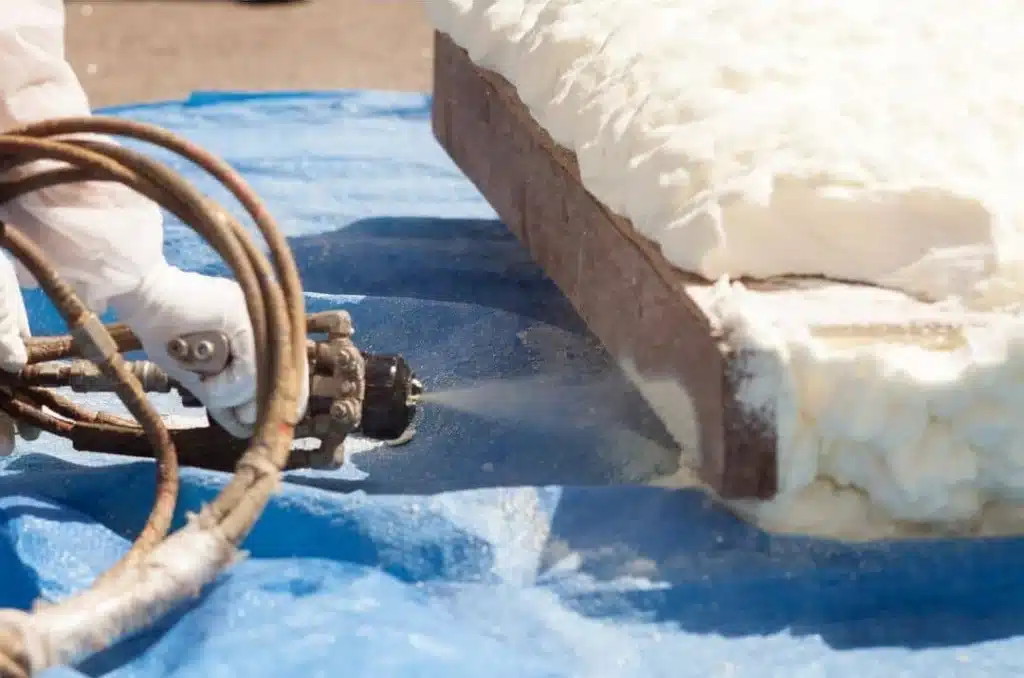
Rushing into a job without testing your spray foam gun is asking for trouble. Don’t start spraying on the actual substrate without first performing a test shot onto cardboard or scrap material. This quick check reveals mixing issues, spray pattern problems, or equipment malfunctions before they waste expensive chemicals or damage customer property. A 30-second test shot can save you from a costly day of callbacks and material loss.
Don’t Ignore Temperature and Humidity Conditions
Environmental factors significantly impact foam performance. Avoid spraying when substrate temperatures fall below 50°F or when ambient humidity exceeds 80%. Cold surfaces prevent proper foam adhesion and expansion, while excessive moisture interferes with the isocyanate reaction. Smart contractors use infrared thermometers to verify surface temperatures and adjust their schedule based on weather conditions rather than forcing applications in suboptimal environments.
Never Use Damaged or Worn Mixing Chambers
That worn mixing chamber might seem functional, but it’s costing you money. Don’t continue using mixing chambers with visible wear, cracked housing, or damaged impingement points. Compromised mixing chambers produce off-ratio foam with reduced performance characteristics. Replace mixing chambers according to manufacturer recommendations—typically every 50-100 pounds of sprayed material—or whenever you notice spray pattern degradation or foam quality issues.
Don’t Operate Without Proper Ventilation
Confined space applications require additional safety measures. Never spray foam in enclosed areas without adequate ventilation and air monitoring equipment. Isocyanate vapors accumulate quickly in tight spaces, creating dangerous exposure levels even with respiratory protection. Use exhaust fans, ensure fresh air supply, and consider vapor monitoring devices for basement, crawl space, or attic applications where air circulation is naturally limited.
Never Mix Chemical Products or Suppliers
Consistency matters in spray foam chemistry. Avoid mixing chemicals from different manufacturers or different product lines from the same supplier in your system. Even seemingly compatible formulations can have subtle differences in catalyst packages, surfactants, or additives that affect foam quality. Flush your system completely when switching products, and never top off partially filled drums with material from a different batch or supplier.
Troubleshooting Common Gun Performance Issues
When your spray foam gun isn’t performing optimally, systematic troubleshooting saves time and materials. Check these factors in order: pressure balance, material temperature, mixing chamber condition, and nozzle cleanliness. Most application problems trace back to one of these four variables. Maintaining a job site log that tracks temperatures, pressures, and foam quality helps identify patterns and prevent recurring issues.
Master Your Equipment, Master Your Business
Professional spray foam application starts with proper equipment handling. By following these do’s and don’ts, you’ll reduce material waste, minimize callbacks, extend equipment life, and deliver consistently high-quality results that build your reputation in the industry.
Ready to take your spray foam business to the next level? Spray Foam Genius Marketing specializes in helping contractors grow their businesses through proven marketing strategies and industry expertise.
Contact us today:
- USA: 877-840-FOAM
- Canada: 844-741-FOAM
- Email: [email protected]
Frequently Asked Questions
How often should I replace my spray foam gun’s mixing chamber?
Replace mixing chambers every 50-100 pounds of sprayed material or when you notice degraded spray patterns, regardless of visual appearance. High-volume contractors should track usage hours and establish a preventive replacement schedule rather than waiting for performance issues to develop.
What’s the proper storage procedure for spray foam guns between jobs?
Flush your gun completely with cleaning solvent, then store it with a small amount of solvent in the lines to prevent seal drying. Keep guns in temperature-controlled environments between 60-80°F, and never store them under pressure or with chemicals still in the system.
Can I use my spray foam gun for different foam types?
Yes, but complete system flushing is essential when switching between open-cell and closed-cell formulations or between different manufacturers’ products. Residual chemicals from incompatible systems can cause improper reactions and compromised foam quality.
Why is my spray foam gun producing stringy or fibrous foam?
Stringy foam typically indicates incorrect chemical temperature, worn mixing chambers, or imbalanced pressures. Check material temperatures first—they should be 120-140°F—then verify pressure balance and inspect your mixing chamber for wear patterns or damage.
How do I prevent foam buildup on my gun nozzle during application?
Maintain consistent trigger discipline and proper gun distance. Keep a solvent-dampened rag nearby to quickly wipe the nozzle between passes. Never let foam cure on the nozzle tip, and consider using anti-stick coatings designed specifically for spray foam equipment.
Sources:
- Building Science Corporation – Spray Foam Insulation Resources
- Spray Polyurethane Foam Alliance – Best Practices Guide

Spencer is a Google ranking expert and SEO consultant who has helped businesses in the spray foam marketing industry achieve their online marketing goals. Spray Foam Genius Marketing has a proven track record of success, having achieved some impressive results for his clients.
- AI Search vs Traditional SEO for Contractors: What’s Changed in 2026? - August 8, 2026
- SEO vs Google Ads for Contractors: Which One Actually Gets More Calls? - August 1, 2026
- Are Google Ads Worth It for Small Insulation Businesses in 2026? - July 29, 2026