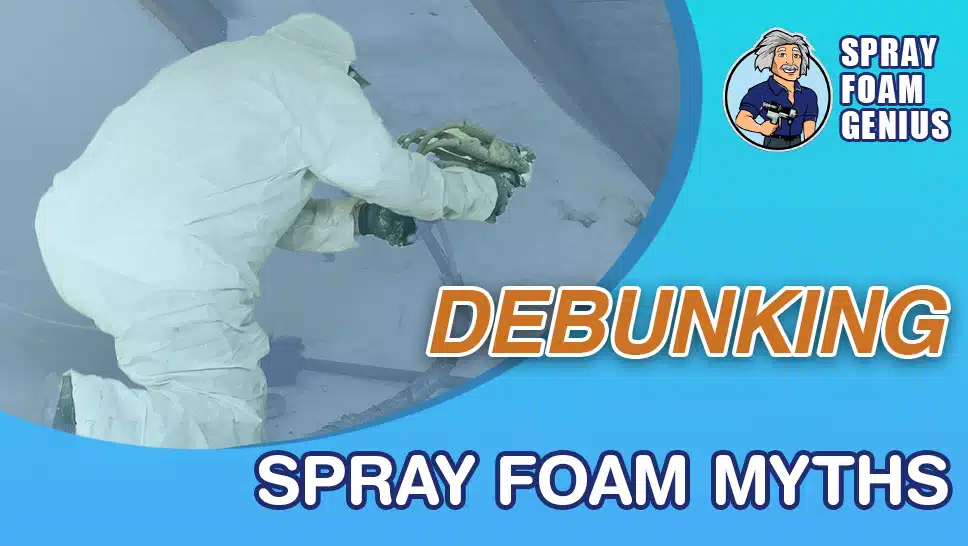
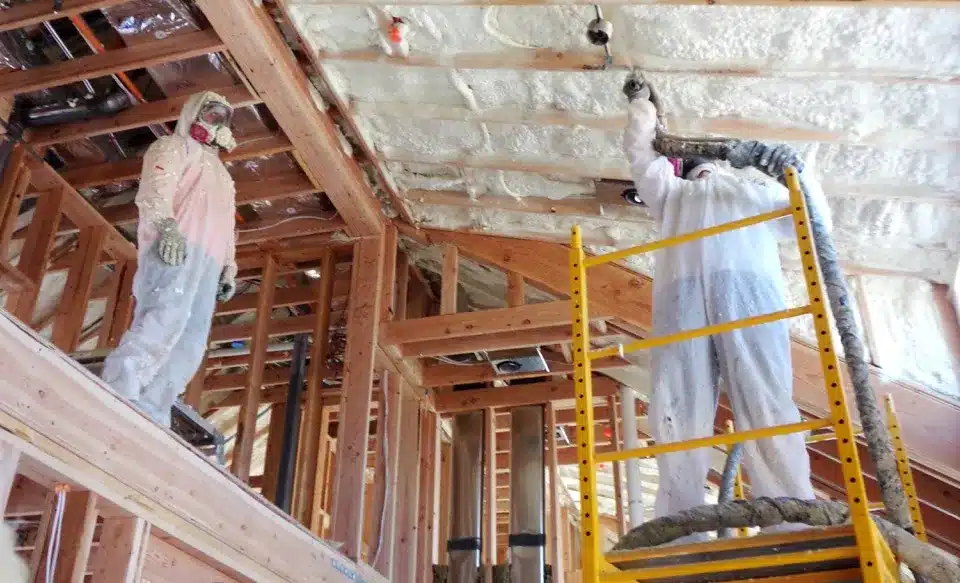
Spray foam insulation is a highly effective solution for energy efficiency, moisture control, and long-term cost savings. Common myths, about toxicity, mold, high cost, or indoor air quality,are often based on outdated or misinterpreted information. Proper installation by certified contractors ensures safety, durability, and optimal ROI
Myth #1 — Spray Foam Is Always Toxic
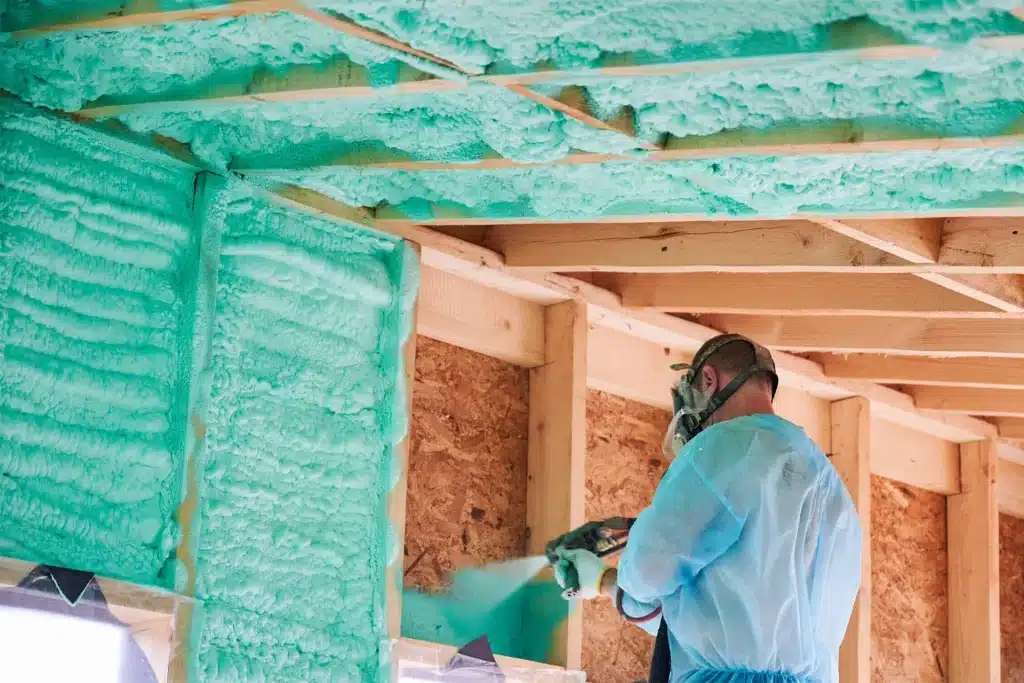
Answer: When properly cured, spray foam is safe and does not release harmful VOCs.
- Claim: Homeowners often worry about chemical toxicity during and after installation.
- Evidence: The EPA confirms that once fully cured, spray foam is safe for indoor air.
- Example: In a 10-home retrofit study, no measurable indoor air hazards were found post-installation.
- Micro-FAQ:
- Q: Are there precautions during installation?
- A: Yes, certified installers must wear PPE and ventilate the space.
- Q: Are there precautions during installation?
Myth #2 — Spray Foam Causes Mold or Rot
Answer: Properly installed spray foam prevents moisture intrusion and mold formation.
- Claim: Some believe spray foam traps moisture, causing rot.
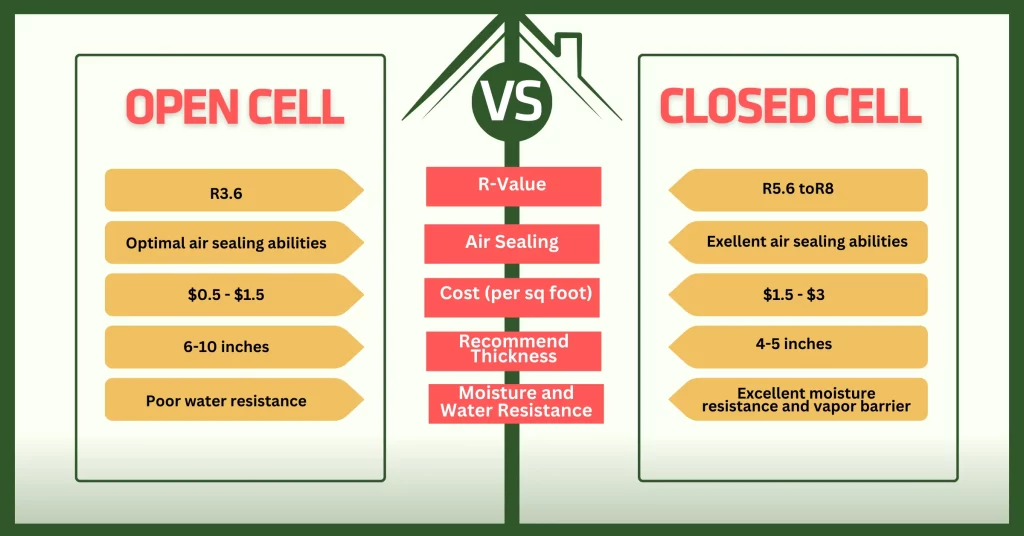
- Evidence: Studies show that closed-cell spray foam acts as an effective moisture barrier, preventing leaks from reaching structural elements.
- Example: Field data from 20 residential retrofits showed no mold growth after 3 years when installation guidelines were followed.
- Micro-FAQ:
- Q: Can open-cell foam cause moisture issues?
- A: Open-cell foam is vapor-permeable; proper moisture management is essential.
- Q: Can open-cell foam cause moisture issues?
Myth #3 — Spray Foam Is Always Expensive
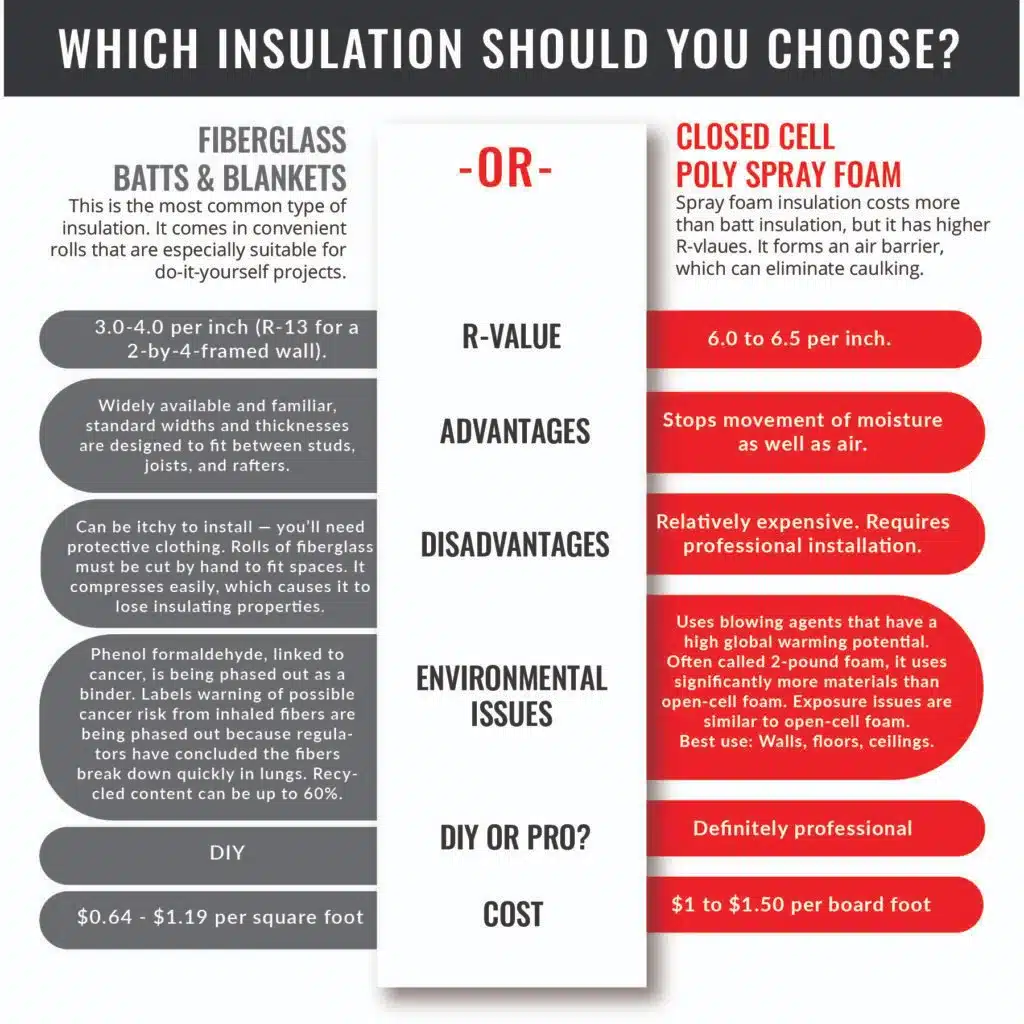
Answer: While initial costs are higher than fiberglass, spray foam typically pays for itself through energy savings.
- Claim: High upfront costs deter some homeowners.
- Evidence: DOE Energy Star reports up to 56% energy savings when homes are properly insulated with spray foam.
- Example: A 2,000 sq. ft. home retrofit achieved ROI in 6 years based on lower heating and cooling bills.
- Micro-FAQ:
- Q: Is spray foam cost-effective in all climates?
- A: ROI varies; cold climates benefit most, but even mild climates see energy reductions.
- Q: Is spray foam cost-effective in all climates?
Myth #4 — Spray Foam Only for New Construction
Answer: Spray foam is suitable for both new and existing homes.
- Claim: Many assume retrofits are impossible.
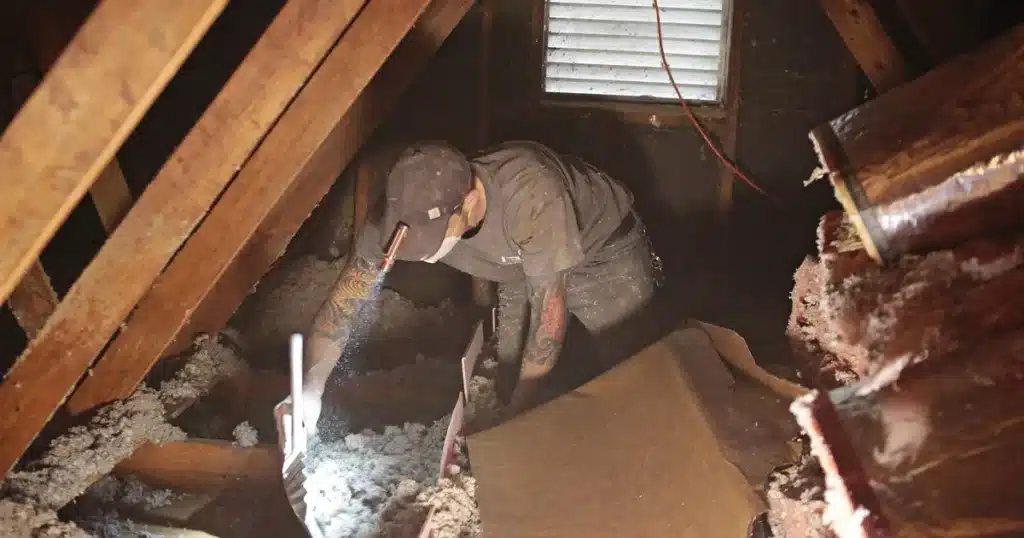
- Evidence: Properly planned retrofit projects allow foam application in attics, crawlspaces, and wall cavities.
- Example: Over 200 retrofits overseen by energy consultants showed consistent performance and long-term energy savings.
- Micro-FAQ:
- Q: Are there structural limitations?
- A: Limited access areas may require alternative application techniques.
- Q: Are there structural limitations?
Myth #5 — Spray Foam Reduces Indoor Air Quality
Answer: Fully cured foam does not compromise indoor air quality.
- Claim: Concerns over VOCs and chemical exposure persist.
- Evidence: EPA VOC guidelines and GREENGUARD Gold certifications indicate that properly applied spray foam is safe for occupied spaces.
- Example: Post-installation IAQ testing in multiple homes showed no VOC exceedances.
- Micro-FAQ:
- Q: Can DIY installations affect air quality?
- A: Yes, improper mixing or ventilation may release chemicals; always use certified professionals.
- Q: Can DIY installations affect air quality?
Myth #6 — All Spray Foam Is the Same
Answer: Spray foam varies by type, density, and application method.
- Claim: Homeowners often assume one product fits all.
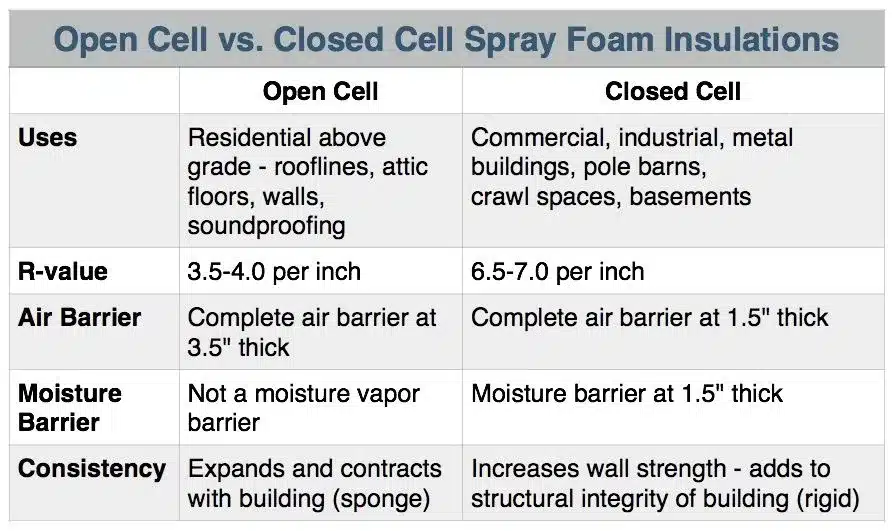
- Evidence: Closed-cell foam provides higher R-value and moisture resistance, while open-cell foam is cost-effective and vapor-permeable.
- Micro-FAQ:
- Q: Which type should I choose?
- A: Depends on climate, space, budget, and moisture concerns; consult certified contractors.
- Q: Which type should I choose?
Spray Foam Installation Tips for Homeowners
- Hire certified contractors for safety and compliance.
- Verify product certifications like GREENGUARD Gold for low VOC exposure.
- Ensure proper ventilation and substrate prep before application.
- Schedule post-installation energy audits to track savings.
Cost & ROI Considerations
| Foam Type | R-Value | Cost per Sq. Ft | Typical ROI |
| Closed-cell | 6–7 per inch | $1.50–$3.50 | 5–7 years |
| Open-cell | 3.5–4 per inch | $0.50–$2.00 | 7–10 years |
FAQs
Is spray foam safe for families and pets?
Yes, when fully cured and installed by certified professionals.
Can I install spray foam myself?
DIY is not recommended due to health and performance risks.
Does spray foam last?
Properly installed spray foam lasts 20–30+ years.
How do I know if my contractor is certified?
Look for training certifications from the Spray Foam Coalition or equivalent.
Will spray foam save money in mild climates?
Yes, though ROI may be slower than in extreme climates.
Sources

- Best Practices for Spray Foam Insulation Website SEO - February 14, 2026
- Proven Email Marketing Tips for Spray Foam Insulation Contractors - February 14, 2026
- Creating a Content Strategy for Your Spray Foam Business: A Comprehensive Guide - October 29, 2025