
Successful insulation marketing requires shifting messaging based on seasonal pain points. From Q1 “Ice Damming” to Q4 “Tax Credits,” spray foam contractors must leverage a mix of paid search, SEO-rich technical content, and social proof. Focus on air sealing and HERS ratings to differentiate SPF from traditional fiberglass competitors.
Q1 (Jan–Mar): The "Ice Dam & Comfort" Strategy
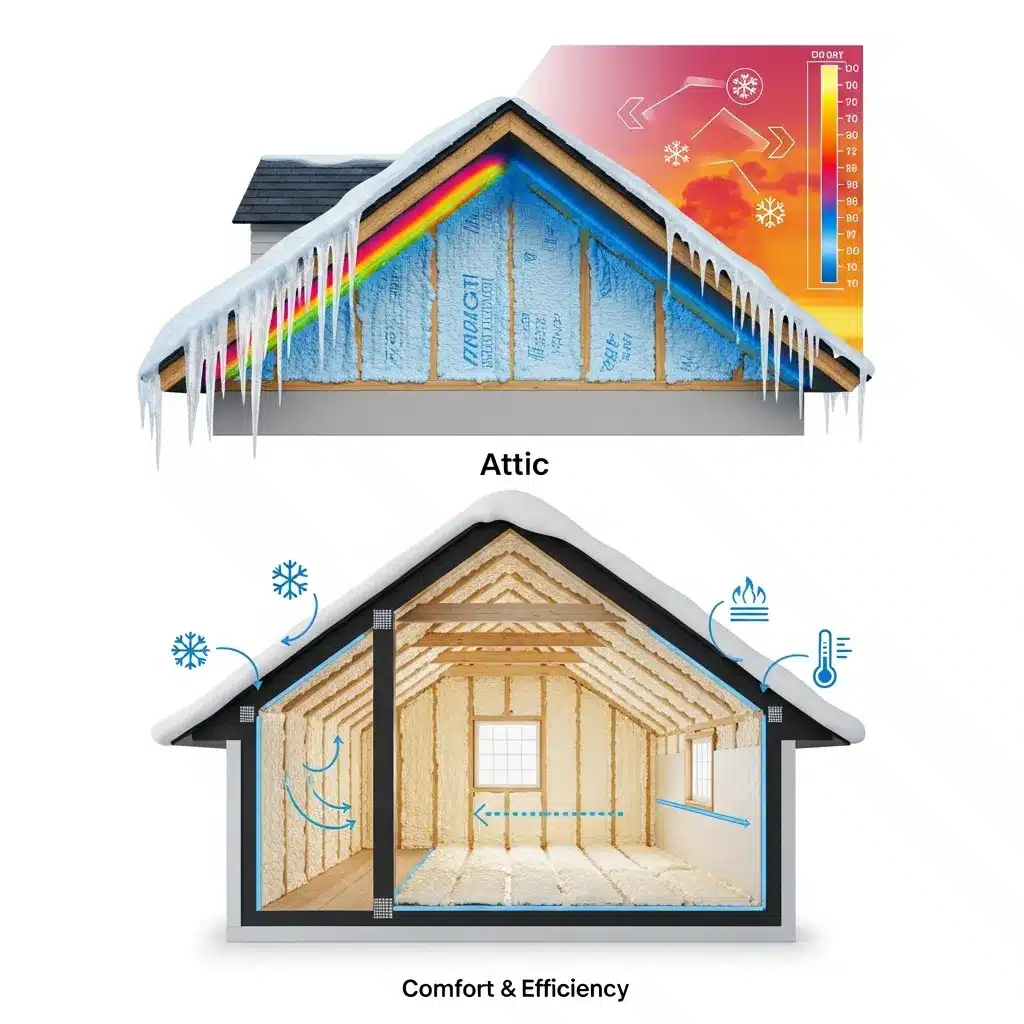
During the peak of winter, homeowners are most aware of their home’s thermal failures. In cold climates (US North/Canada), the primary pain point isn’t just a high bill it’s physical discomfort and structural damage.
Quick Insight:
In Q1, insulation contractors should focus marketing on ice dam prevention and indoor comfort.
Related reading: How to Use A/B Testing to Improve Your Insulation Marketing
Q2 (Apr–Jun): The "Spring Cleaning & Allergen" Pivot
As the weather warms, the conversation shifts from heat retention to air quality. For spray foam contractors, this is the season to sell Indoor Air Quality (IAQ).
Strategic Messaging:
Crawl Space Encapsulation
Spring rains often lead to damp crawl spaces. Market your SPF services as a moisture barrier solution to prevent mold.
The "Hose-Off" Effect
Focus on the durability of closed-cell foam in flood-prone areas.

Pollen and Dust
Explain how air sealing keeps outdoor allergens from entering the building envelope.
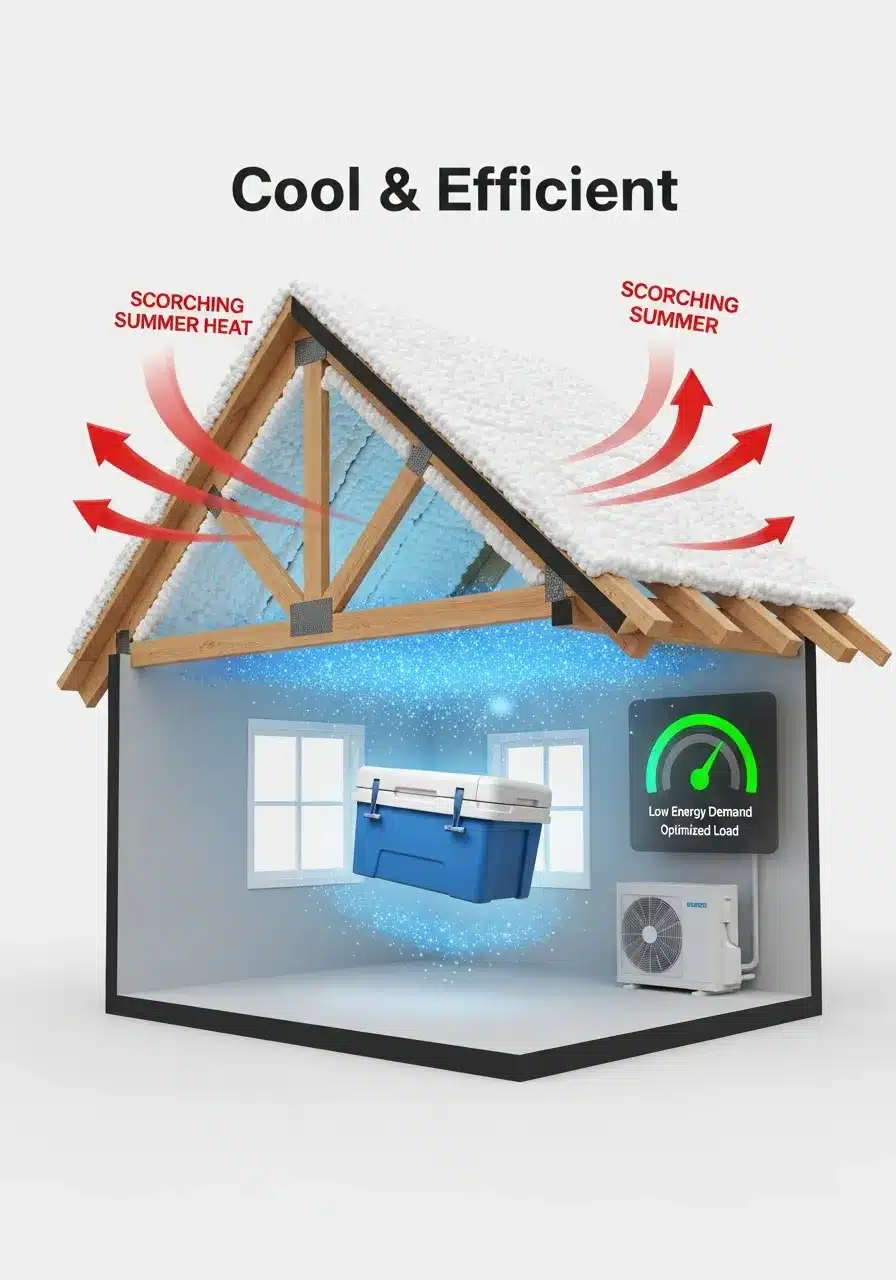
Q3 (Jul–Sep): The "High Bill & AC Stress" Campaign
In the heat of summer, the “Stack Effect” works in reverse. Hot air pushes down through the attic, forcing air conditioners to work overtime.
Campaign Tactics:
Q4 (Oct–Dec): The "Holiday Prep & Tax Credit" Rush
Year-end is characterized by two powerful drivers: the desire for a cozy holiday home and the deadline for tax incentives. This is your strongest closing season.
The 25C Tax Credit Hook:
Lead with: "Get your insulation done for $1,200 less before Dec 31st."

Spray Foam SEO vs. Traditional Media ROI
Targeting
Intent-based (Active search)
Demographics-based (Passive)
Longevity
Evergreen (Years)
Disposable (Days)
Technical Depth
High (R-values, air sealing)
Low (Coupons)
Why This Matters:
Digital marketing with SEO provides measurable ROI, intent-based targeting, and long-term value. A single well-optimized SEO asset can generate leads for years, while traditional mailers become trash within days. Bottom line: Your marketing budget is better spent on channels where homeowners are actively searching for solutions.
Frequently Asked Questions
How do you make a 12-month marketing plan?
A 12-month marketing plan is created by setting clear business goals, identifying your target audience, selecting the right marketing channels, and planning campaigns month by month. It also includes a defined budget, performance metrics, and regular reviews to adjust strategies based on results.
Are insulation businesses profitable?
Yes, insulation businesses are generally profitable due to steady demand for energy-efficient solutions and strong repeat business. Many insulation companies achieve healthy margins when they manage labor efficiently, focus on local marketing, and build long-term relationships with contractors and homeowners.
What are the 5 P’s of a marketing plan?
The 5 P’s of a marketing plan are Product, Price, Place, Promotion, and People. Together, these elements define what you sell, how you price it, where customers can access it, how you promote it, and the experience customers have with your business.
How do you create a marketing plan for the year?
An annual marketing plan is developed by analyzing market conditions, setting clear objectives, defining marketing strategies, outlining monthly or quarterly activities, allocating a budget, and tracking performance through key metrics to ensure goals are met.
What is the 3-3-3 rule in marketing?
The 3-3-3 rule in marketing focuses on narrowing efforts to three target audiences, three core messages, and three primary marketing channels. This approach helps businesses stay consistent, focused, and more effective with their marketing efforts.
Ready to Fill Your Spray Foam Schedule Year-Round?
Spray Foam Genius Marketing helps spray foam contractors generate high-intent leads using paid search, SEO, social media, and seasonal campaigns that convert. Don’t let your competitors steal your market let us create a custom 12-month marketing plan that keeps your phones ringing every season.