In today’s digital landscape, spray foam contractors face an increasingly competitive market where traditional marketing approaches often fall flat. Spray Foam Insulation Marketing strategies are evolving, and user-generated content (UGC) has emerged as one of the most powerful, cost-effective tools to build trust, showcase real results, and convert skeptical homeowners into paying customers. Unlike polished corporate messaging, UGC provides the authentic social proof that modern consumers crave before making significant home improvement decisions.
Why User-Generated Content Matters for Spray Foam Contractors
User-generated content represents authentic experiences from real customers—photos of completed projects, video testimonials, before-and-after transformations, and genuine reviews. For spray foam insulation contractors, this content serves as powerful validation of your expertise and results. Research consistently shows that 92% of consumers trust recommendations from real people over branded content, making UGC an essential component of your marketing strategy.
The spray foam industry particularly benefits from visual UGC because the transformation is dramatic and measurable. Homeowners can see the difference between poorly insulated attics and professionally applied spray foam insulation. They can hear from neighbors who’ve reduced their energy bills by 30-50% after installation. This tangible proof resonates far more effectively than any advertisement you could create.
To understand how user-generated content and real customer experiences improve conversions in the spray foam industry, explore this spray foam contractor marketing strategy guide.
Strategies to Collect High-Quality User-Generated Content
The first step in leveraging UGC is actually collecting it. Many contractors assume customers will naturally share their experiences, but proactive strategies yield significantly better results. Start by implementing a systematic approach immediately after project completion. Send follow-up emails requesting photos, testimonials, or video reviews. Offer small incentives like discounts on future services or entries into quarterly giveaways to encourage participation.
Create a simple submission process through your website or dedicated landing page. Many homeowners want to share their positive experiences but don’t know how. Provide clear instructions, multiple submission options (email, text, online form), and examples of what you’re looking for. The easier you make it, the more content you’ll receive.
Timing matters significantly. Request content within 3-7 days after project completion when the customer’s excitement is highest and the results are most visible. For spray foam projects, this timeframe also allows homeowners to experience their first noticeable energy savings, making them more enthusiastic about sharing their story.
Maximizing UGC Across Your Marketing Channels
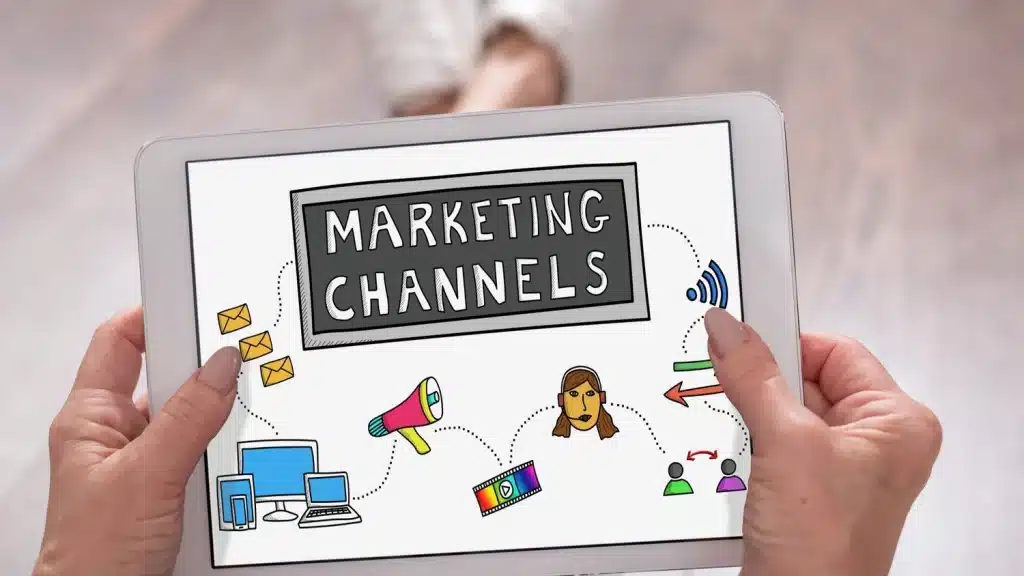
Once you’ve collected user-generated content, strategic distribution amplifies its impact. Your website should feature a dedicated testimonials page with photos, videos, and detailed case studies. However, don’t stop there—integrate UGC throughout your site. Add customer photos to service pages, include testimonial snippets in blog posts, and create before-and-after galleries that showcase your team’s craftsmanship.
Social media platforms offer exceptional opportunities for UGC amplification. Share customer photos on Facebook and Instagram with proper attribution and gratitude. Create highlight reels on Instagram Stories featuring customer testimonials. Post before-and-after comparison videos on YouTube and TikTok, which tend to perform exceptionally well for home improvement content. Tag customers (with permission) to increase engagement and reach their networks organically.
Email marketing campaigns gain significant credibility when featuring real customer stories. Instead of generic promotional emails, send case studies highlighting specific challenges you solved for homeowners similar to your prospects. Include photos, quotes, and measurable results like percentage reductions in energy costs. This approach transforms cold marketing into warm, relatable storytelling.
Legal Considerations and Best Practices
Before publishing any user-generated content, obtain explicit written permission from customers. Create a simple release form that grants you rights to use their photos, videos, and testimonials across your marketing channels. This protects your business legally and demonstrates professionalism. Most customers willingly provide permission when asked respectfully and given assurance that their privacy will be respected.
Always credit customers appropriately unless they request anonymity. Attribution builds trust and shows appreciation for their contribution. Use first names and last initials (John S. from Dallas, TX) to balance authenticity with privacy concerns. For video testimonials, ensure customers understand where and how the content will be used before filming begins.
Maintain authenticity by never altering testimonials or cherry-picking only the most glowing reviews. Moderate content is actually more believable than perfection. If a customer mentions a minor challenge that was ultimately resolved, including that context makes the testimonial more credible and demonstrates your problem-solving capabilities.
Measuring the Impact of Your UGC Strategy

Track specific metrics to understand your UGC’s effectiveness and refine your approach. Monitor website engagement on pages featuring user-generated content compared to pages without it. Typically, UGC pages show 20-30% longer session durations and lower bounce rates. Use Google Analytics to track these behavioral signals, which also positively influence your search engine rankings.
Measure conversion rates from UGC-focused campaigns. Create unique tracking URLs for email campaigns featuring case studies versus standard promotional content. Compare lead generation from social media posts with customer photos against posts with stock imagery. Most contractors discover that UGC significantly outperforms traditional marketing content across all metrics.
Survey new customers about what influenced their decision to choose your company. You’ll likely find that authentic reviews, customer photos, and testimonials ranked among the top factors. This qualitative feedback validates your UGC strategy and identifies which types of content resonate most powerfully with your target audience.
Ready to Transform Your Spray Foam Marketing with User-Generated Content?
Building a robust UGC strategy takes time, but the results speak for themselves—higher conversion rates, increased trust, and more qualified leads. At Spray Foam Genius Marketing, we specialize in helping spray foam contractors develop comprehensive marketing strategies that leverage authentic customer content to dominate local markets and grow revenue.
Don’t let your competition capture the customers who should be yours. Our proven systems help you collect, optimize, and distribute user-generated content that converts browsers into buyers.
Get Started Today:
USA: 877-840-FOAM
Canada: 844-741-FOAM
Email: [email protected]
Frequently Asked Questions
How do I encourage customers to create content without seeming pushy?
Make it part of your standard post-project process rather than an afterthought. Include UGC requests in your final walkthrough conversation, follow-up emails, and thank-you messages. Frame it as helping other homeowners make informed decisions rather than just marketing for your business. Offering small incentives like $25 gift cards or 10% discounts on future services provides tangible appreciation for their time without feeling manipulative.
What if customers share negative experiences or criticism?
Negative feedback presents an opportunity to demonstrate your commitment to customer satisfaction. Respond promptly, professionally, and publicly when appropriate. Address concerns directly, offer solutions, and follow through completely. Potential customers evaluate businesses not just on perfection but on how they handle problems. A well-managed negative review often builds more trust than exclusively positive feedback.
Which types of user-generated content work best for spray foam contractors?
Before-and-after photos consistently deliver the strongest impact because they visually demonstrate transformation. Video testimonials rank second, as they convey emotion and authenticity that text cannot match. Detailed reviews mentioning specific benefits like reduced energy bills, improved comfort, and professionalism provide the third most valuable content type. Aim for a diverse mix across all your marketing channels.
How often should I post user-generated content on social media?
Post UGC at least 2-3 times weekly on your primary platforms. Balance customer content with educational posts, project updates, and industry news to maintain variety. Create a content calendar that ensures consistent UGC visibility without overwhelming your audience. Use strategic timing—posts featuring dramatic before-and-after transformations perform exceptionally well on weekends when homeowners are planning improvement projects.
Can I use customer photos from Google reviews on my website?
You should always obtain explicit permission before repurposing content, even from public platforms like Google Reviews. While the review itself is publicly visible, using photos or testimonials in your marketing materials requires separate consent. Contact reviewers directly, explain how you’d like to feature their content, and request written permission. Most customers feel honored by the request and readily agree.
Sources:
- Content Marketing Institute – Best practices for collecting and implementing user-generated content in B2C marketing
- Nielsen Consumer Trust Index – Research on consumer trust in user-generated content and peer recommendations

- Best Practices for Spray Foam Insulation Website SEO - February 14, 2026
- Proven Email Marketing Tips for Spray Foam Insulation Contractors - February 14, 2026
- Creating a Content Strategy for Your Spray Foam Business: A Comprehensive Guide - October 29, 2025