

Direct Answer
A/B testing is essential for spray foam insulation marketing because it enables you to compare different versions of your ads, landing pages, and offers to determine what actually generates leads and conversions. Instead of relying on assumptions, A/B testing gives you measurable, data-driven insights that improve ROI, reduce wasted ad spend, and help you consistently attract high-quality customers in a competitive insulation market.
For insulation companies looking to improve ROI through A/B testing and marketing optimization strategies, see this spray foam contractor marketing framework.
TLDR
- A/B testing eliminates guesswork and identifies what messaging drives real conversions
- Small changes can increase conversion rates by 20–50% or more
- Testing improves lead quality while lowering cost per lead
- Focus on high-impact elements like headlines, offers, and landing pages
- Consistent testing creates a scalable and predictable marketing system
- Data-driven campaigns outperform intuition-based strategies every time
- Even small contractors can see significant gains with structured testing
What is A/B Testing (and Why It Matters)
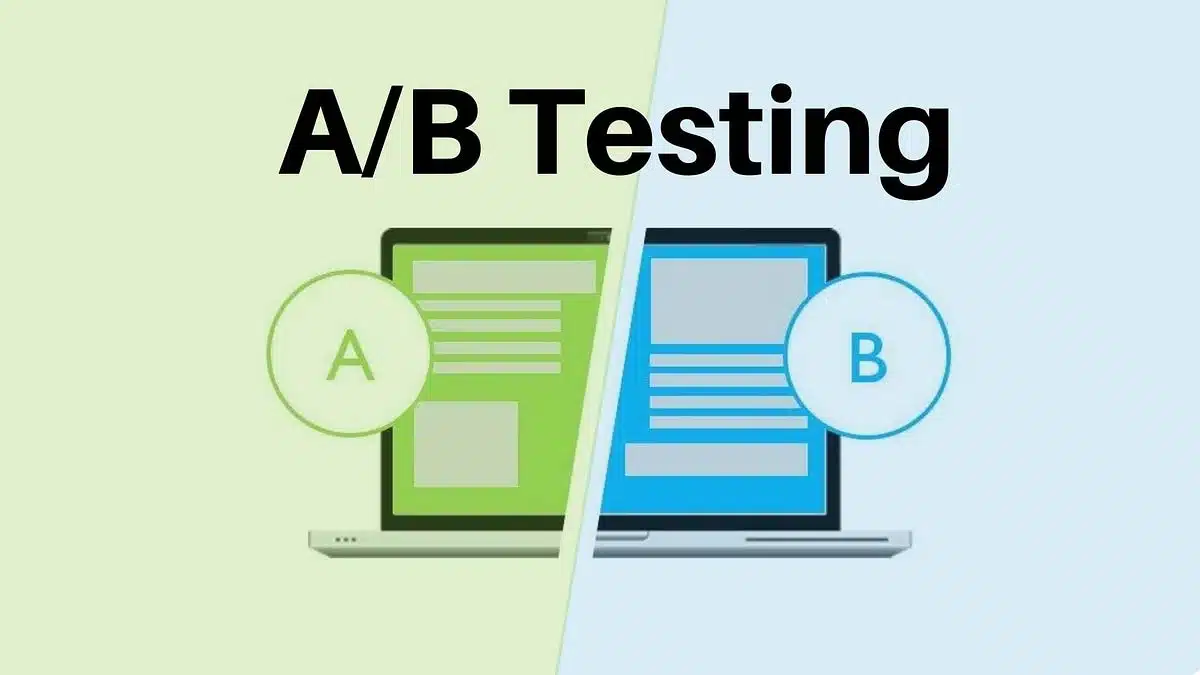
A/B testing, also known as split testing, is a method of comparing two variations of a marketing asset to determine which performs better. It is widely used in digital marketing and experimentation frameworks to optimize performance.
You can explore the fundamentals of A/B testing on Wikipedia, where it is defined as a controlled experiment comparing two versions to determine effectiveness.
For spray foam contractors, A/B testing can include:
- Testing two ad headlines
- Comparing landing page layouts
- Evaluating different promotional offers
- Trying different call-to-action buttons
The key is to let customer behavior guide your decisions rather than assumptions.
Why A/B Testing is Non-Negotiable
1. It Eliminates Guesswork
Many insulation contractors rely on instinct when creating ads. Unfortunately, instinct often leads to wasted budget.
According to research insights from Harvard Business School, companies that rely on data-driven decision-making outperform competitors significantly.
Without A/B testing:
- You risk spending on ineffective campaigns
- You miss optimization opportunities
- You rely on opinions instead of data
With A/B testing:
- Every decision is backed by performance metrics
- Campaigns improve continuously over time
2. It Dramatically Improves Conversion Rates
Companies that implement structured testing often see substantial improvements in performance. According to HubSpot, conversion rates can increase by up to 49% through continuous optimization.
For spray foam contractors, this means:
- More quote requests from the same traffic
- Higher booking rates
- Increased revenue without increasing ad spend
Example Performance Improvements
| Element Tested | Version A | Version B | Result |
| Headline | Save Energy Now | Cut Energy Bills by 30% | +38% conversions |
| CTA Button | Contact Us | Get Free Quote Today | +25% clicks |
| Offer | Free Estimate | Limited-Time Discount | +18% leads |
3. It Lowers Cost Per Lead
Improving conversion rates directly reduces your cost per lead. Platforms like Google Ads reward high-performing ads with better placement and lower costs.
This results in:
- More leads for the same budget
- Better ad efficiency
- Stronger competitive positioning
What Should You A/B Test?
Focus on high-impact elements first to maximize results.
Priority Testing Areas
| Category | What to Test | Why It Matters |
| Ads | Headlines, descriptions, visuals | Drives initial clicks |
| Landing Pages | Layout, images, forms | Impact conversion rate |
| Offers | Discounts, urgency, guarantees | Influences decisions |
| CTAs | Button text and placement | Affects engagement |
| Targeting | Location, audience segments | Improves lead quality |
How A/B Testing Works (Step-by-Step)
Step 1: Define Your Goal
Examples include increasing form submissions or improving call bookings.
Step 2: Test One Variable
Changing multiple elements at once makes results unreliable.
Step 3: Split Traffic Evenly
Ensure both versions receive equal exposure.
Step 4: Analyze Results
Focus on metrics like conversion rate and cost per lead.
Step 5: Scale the Winner
Apply the best-performing version across campaigns.
Real-World Example
A spray foam contractor runs two Google Ads:
- Version A: Affordable Spray Foam Insulation
- Version B: Reduce Energy Bills by 30%
Result: Version B generates 42% more leads because it focuses on a clear benefit.
This aligns with research from Stanford University, which highlights that benefit-driven messaging significantly increases engagement.
Common Mistakes to Avoid
Testing Too Many Variables
Keep tests simple and focused.
Ending Tests Too Early
According to Optimizely, tests must reach statistical significance for reliable results.
Ignoring Small Gains
Even small improvements compound into major growth over time.
Lack of Documentation
Track results to build a repeatable system.
Tools for Effective A/B Testing
You don’t need complex tools to start.
Recommended platforms:
- Google Ads Experiments
- Meta Ads Testing
- Landing page builders
- Analytics tools
Research from MIT Sloan School of Management shows that organizations using data-driven experimentation consistently outperform competitors.
How Often Should You Test?
- Run at least one test per campaign each month
- Test continuously as markets evolve
- Revisit past tests to validate results over time
Consistency leads to compounding improvements.
The Competitive Advantage of A/B Testing
Spray foam insulation is a competitive industry. Contractors who fail to test fall behind.
Those who embrace A/B testing:
- Adapt faster
- Scale efficiently
- Generate consistent, predictable leads
A/B testing transforms marketing into a reliable growth engine.
Transform Your Spray Foam Marketing with Data-Driven Growth
If you’re relying on guesswork, you’re leaving money on the table. A/B testing allows you to optimize every aspect of your marketing, attract higher-quality leads, and maximize ROI.
Our team specializes in helping spray foam contractors implement high-performing testing strategies that drive measurable results. We identify what works, eliminate what doesn’t, and scale your growth with precision.
Contact us:
USA: 877-840-FOAM
Canada: 844-741-FOAM
Email: [email protected]
FAQs
1. How long should an A/B test run?
Typically, 2–4 weeks or until enough data is collected to ensure reliable results.
2. What should I test first?
Start with headlines and offers, as they have the biggest impact on conversions.
3. Is A/B testing expensive?
No, most ad platforms include built-in testing tools at no additional cost.
4. Can small contractors benefit?
Yes, A/B testing helps maximize limited budgets and improve efficiency.
5. What if the results are unclear?
Increase your sample size or refine your variations and test again.
Sources
- https://en.wikipedia.org/wiki/A/B_testing
- https://www.hbs.edu/
- https://www.hubspot.com/marketing-statistics
- https://ads.google.com/
- https://www.stanford.edu/
- https://www.optimizely.com/
- https://mitsloan.mit.edu/

- Best Practices for Spray Foam Insulation Website SEO - February 14, 2026
- Proven Email Marketing Tips for Spray Foam Insulation Contractors - February 14, 2026
- Creating a Content Strategy for Your Spray Foam Business: A Comprehensive Guide - October 29, 2025