
Direct Answer
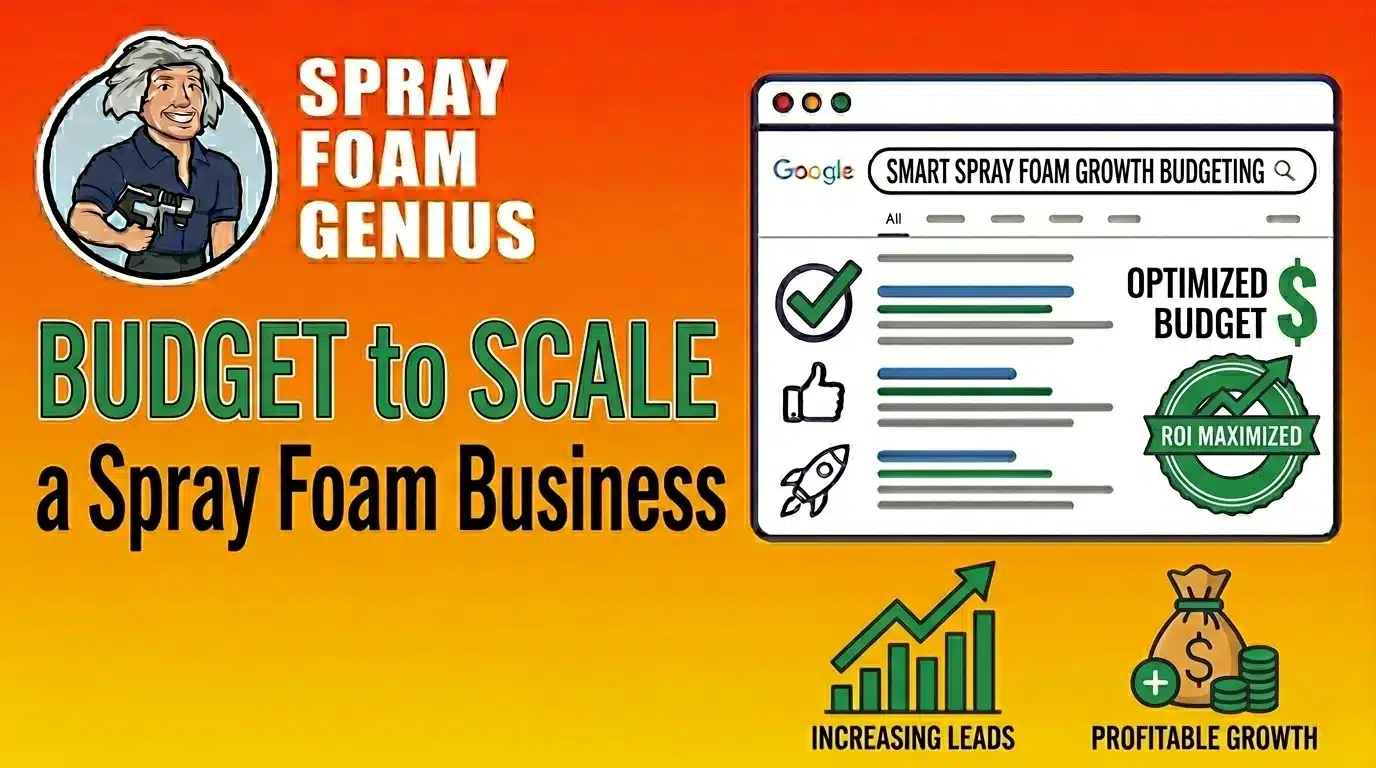
Scaling a spray foam insulation business in the U.S. typically requires $80,000 to $350,000+, depending on growth goals, market competition, and existing infrastructure. For a regional expansion, including sales staff, upgraded equipment, and digital marketing, budget $80,000–$150,000 over 12–18 months. For aggressive multi-territory growth with new offices and fleets, costs can exceed $250,000–$350,000.
Key cost drivers include lead generation, fleet and equipment upgrades, sales hiring, and CRM systems. Businesses that invest strategically in marketing and systems are more likely to see revenue growth year over year, according to Statista. Following a structured digital marketing strategy for spray foam contractors can help maximize the impact of those investments.
TLDR
- Scaling costs $80K–$350K+, depending on reach and business maturity
- 30–40% of the budget is typically allocated to marketing and lead generation
- Equipment and fleet upgrades: $40K–$120K+ per unit
- Hiring sales staff costs $30K–$80K+ annually
- ROI from digital marketing campaigns typically begins 3–6 months, as reported by HubSpot
- Poor tracking or overexpansion can stall growth
- Structured systems improve conversions and reduce wasted spend
What Does “Scaling” Mean?
Scaling is increasing revenue without proportionally increasing expenses. For spray foam businesses, this involves:
- Generating qualified leads consistently
- Building a sales team that converts efficiently
- Improving service delivery with proper equipment
- Implementing systems for quoting, follow-ups, and analytics
The U.S. Small Business Administration highlights that market research and competitor analysis are critical for successful growth.
Why Strategic Investment Matters
Spending money alone does not guarantee results. Strategic scaling focuses on channels that drive measurable revenue, not vanity metrics.
Investment Breakdown
1. Marketing & Lead Generation
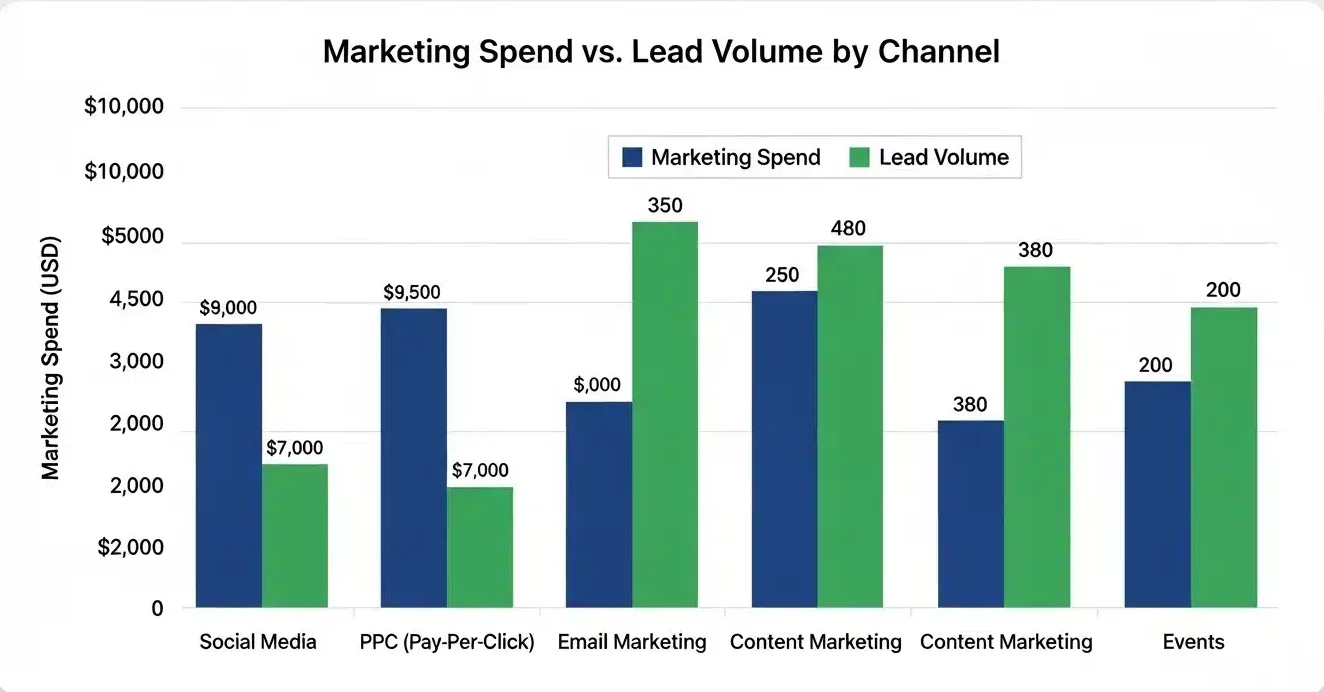
Marketing ensures a steady flow of leads. Typical budgets per channel:
2. Sales Team Expansion
Hiring sales reps converts more traffic into booked jobs:
- Annual payroll: $30,000–$80,000+
- Training & onboarding: $5,000–$15,000
- Commission: Variable
Structured teams allow growth beyond owner-led sales.
3. Equipment & Fleet Expansion
4. Systems & Automation
Investing in technology streamlines operations:
- CRM & quoting tools: $6,000–$24,000/year
- Automated follow-ups increase conversions
- Analytics dashboards provide a clear ROI
5. Local Advertising & Branding
Offline marketing still matters:
- Trade shows: $2,000–$15,000
- Sponsorships: $500–$5,000
- Direct mail: $1,000–$6,000
Scaling Scenarios
Factors Influencing Scaling Costs
- Market Size & Competition: Urban areas are more competitive and cost-per-lead is higher (Harvard Business Review)
- Service Diversity: Adding attic sealing, crawl space encapsulation, or air sealing increases revenue per job
- Sales & Fulfillment Efficiency: Structured processes maximize conversions
- Brand Recognition: Strong brands convert leads more efficiently
Who This Is For
Ideal:
- Established contractors ready to scale
- Businesses with service systems in place
- Owners seeking measurable marketing ROI
Not Ideal:
- Startups with a < $50K budget
- Businesses without tracking or processes
- Contractors unwilling to invest in systems
Common Scaling Mistakes
Ignoring Analytics
Without tracking, ROI cannot be measured.
Over-Spending on Marketing
Not all channels work; test before investing heavily.
Hiring Too Quickly
Leads to chaos and high turnover.
Relying Only on Referrals
Referrals don’t scale predictably.
The Real Question: Cost of Inaction
Failing to invest strategically means:
- Competitors capture high-intent leads
- Stagnant, low-margin word-of-mouth work
- Vulnerability to seasonal demand cycles
Growth requires smart investments in marketing, sales, and operations.
Ready to Scale Your Spray Foam Business?
Spray Foam Genius Marketing helps insulation contractors grow profitably through high-converting marketing funnels, sales enablement, and data-driven strategies.
Contact:PHONE: 877-840-FOAM | 844-741-FOAMEmail: info@sprayfoamgeniusmarketing.com
Competitors are investing; secure your market share with data-driven growth today.
FAQs
How long to see ROI from scaling?
Most spray foam businesses begin seeing initial ROI within 3–6 months, especially from paid ads and lead generation campaigns. Stronger, more consistent returns typically develop by 9–12 months as marketing and sales systems are optimized.
Is new equipment required before scaling?
New equipment isn’t always necessary at the start. Many businesses scale first by increasing leads and sales, then upgrade equipment once demand consistently exceeds current capacity.
What’s a realistic monthly marketing budget?
A typical growth-focused budget ranges from $3,000 to $10,000 per month, depending on market competition and goals. As campaigns prove profitable, budgets can be scaled up to maximize ROI.
Should I hire in-house sales or contractors?
In-house sales teams are better for building long-term customer relationships and consistent processes. Contractors can be useful for testing new markets quickly with lower initial risk.
Can I scale without digital marketing?
While traditional methods can generate some local business, they don’t scale predictably. Digital marketing provides consistent, trackable lead flow and is essential for long-term growth.