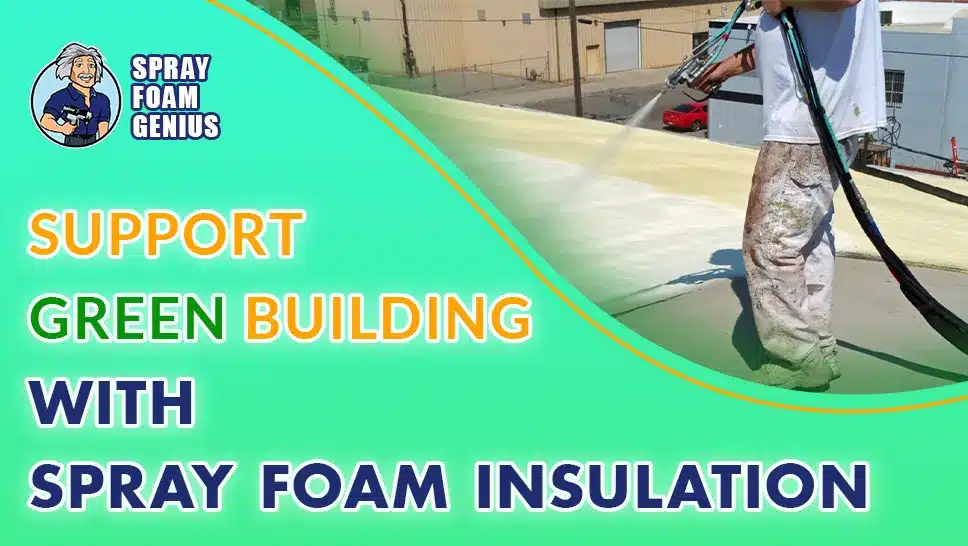
The Environmental Case for Spray Foam
Spray foam insulation delivers exceptional thermal performance that directly translates to reduced energy consumption. With an R-value ranging from R-3.5 to R-6.5 per inch, closed-cell spray foam outperforms traditional fiberglass and cellulose insulation, meaning buildings require less heating and cooling energy throughout their lifecycle.
According to the U.S. Department of Energy, proper insulation can reduce heating and cooling costs by up to 20%. When you multiply that across millions of buildings, the carbon footprint reduction becomes substantial. This energy efficiency directly supports LEED certification goals and green building standards like the International Green Construction Code (IgCC).
Longevity Equals Sustainability
One overlooked aspect of green building is material longevity. Spray foam insulation can last 80+ years without settling, sagging, or losing effectiveness—unlike traditional batts that compress and degrade. This durability means fewer replacement cycles, less construction waste, and reduced embodied carbon over the building’s lifetime.
The Environmental Protection Agency emphasizes that product longevity is a critical factor in calculating true environmental impact. When contractors highlight this advantage, they’re speaking the language of sustainability-focused clients.
Air Sealing and Moisture Management
Green buildings prioritize indoor air quality and moisture control—two areas where spray foam excels. By creating an airtight barrier, spray foam prevents unconditioned air infiltration, reducing HVAC strain and preventing moisture-related issues like mold growth.
The Green Building Initiative recognizes superior air sealing as essential for healthy, efficient buildings. Contractors who understand psychrometrics and building science can position spray foam as a holistic solution that addresses multiple green building objectives simultaneously.
Modern Formulations and Lower GWP
The spray foam industry has made significant strides in reducing environmental impact. Many manufacturers now offer low-GWP (Global Warming Potential) blowing agents, moving away from traditional HFCs. Bio-based spray foams using renewable materials like soy and castor oil are gaining market share, appealing to clients seeking the greenest possible solutions.
When discussing products with clients, contractors should reference certifications like GreenGuard Gold and third-party environmental product declarations (EPDs) that provide transparent lifecycle data.
Contributing to Net-Zero Goals
As jurisdictions adopt aggressive carbon reduction targets, buildings must achieve near-zero energy consumption. Spray foam insulation is instrumental in creating the highly efficient building envelopes required for net-zero construction. When combined with renewable energy systems, properly insulated buildings can produce as much energy as they consume.
Contractors who understand passive house principles and net-zero design can collaborate with architects and engineers early in the design phase, maximizing the impact of spray foam applications.
Recycled Content and Circular Economy

Progressive manufacturers are incorporating recycled content into spray foam formulations, supporting circular economy principles. While the percentage varies by product, this trend aligns with green building’s emphasis on closing material loops and reducing virgin resource extraction.
The Business Advantage
For contractors, green building expertise isn’t just environmentally responsible—it’s profitable. LEED-certified projects and green buildings command premium pricing, and clients increasingly require contractors who understand sustainability metrics. By positioning yourself as a green building specialist, you access higher-value projects and differentiate from competitors.
Spray Foam Genius Marketing helps contractors articulate their environmental value proposition through targeted marketing strategies. Whether you’re pursuing commercial green projects or educating residential clients about energy efficiency, having the right messaging matters.
Taking Action
Start by getting certified in green building practices through programs like LEED Green Associate or obtaining spray foam certifications that emphasize environmental best practices. Document your projects’ energy savings and incorporate that data into your marketing materials.
Understanding how spray foam insulation supports green building practices transforms you from a commodity contractor into a sustainability partner. As building codes tighten and environmental consciousness grows, this expertise becomes increasingly valuable.
Ready to position your spray foam business as a green building leader? Contact Spray Foam Genius Marketing today.
Email: [email protected]
USA: (877) 840-FOAM
Canada: (844) 741-FOAM
Website: sprayfoamgeniusmarketing.com
Frequently Asked Questions
Q: Does spray foam insulation qualify for LEED points?
A: Yes, spray foam can contribute to multiple LEED credits, particularly in Energy & Atmosphere (optimized energy performance) and Indoor Environmental Quality (low-emitting materials when using certified products). Proper installation that reduces air leakage directly supports LEED certification goals.
Q: What’s the difference between low-GWP and traditional spray foam?
A: Low-GWP spray foams use blowing agents with reduced climate impact compared to traditional HFCs. These newer formulations deliver the same insulation performance while significantly lowering the product’s carbon footprint—critical for green building projects with strict environmental requirements.
Q: How do I prove spray foam’s environmental benefits to skeptical clients?
A: Use third-party certifications (GreenGuard, EPDs), provide energy modeling data showing projected savings, and reference case studies with documented energy reductions. The EPA and DOE websites offer calculators that quantify insulation’s environmental impact in terms clients understand.
Q: Are bio-based spray foams as effective as petroleum-based options?
A: Modern bio-based spray foams using soy or castor oil content perform comparably to traditional formulations in most applications. They offer similar R-values and durability while appealing to clients prioritizing renewable materials. Always verify product specifications for specific project requirements.
Q: How can contractors stay current on green building requirements?
A: Join organizations like the U.S. Green Building Council, attend industry conferences, pursue continuing education through manufacturers, and follow energy code updates. Green building standards evolve rapidly, and staying informed positions you as the expert clients need.

- Best Practices for Spray Foam Insulation Website SEO - February 14, 2026
- Proven Email Marketing Tips for Spray Foam Insulation Contractors - February 14, 2026
- Creating a Content Strategy for Your Spray Foam Business: A Comprehensive Guide - October 29, 2025