
As an insulation contractor, you know how to build a thermal barrier. But is your marketing creating a barrier between you and your next profitable job? Relying on referrals alone can be a slow path to growth, and paid ads can fill gaps in your schedule, but only if they are aimed at the right people, in the right places, with a plan to measure what comes back.
This guide walks through a complete digital advertising strategy for spray foam and insulation contractors: setting goals, choosing channels, targeting your service area, running Google and Meta ads, using retargeting, building landing pages and tracking results. For the bigger picture, see our spray foam digital marketing guide.
Step 1: Set Goals, a Budget and Your Audience
A good ad strategy starts with a clear goal, a realistic budget and a defined audience. Without those, you are spending money, not investing it.
Goals you can measure
"Get more leads" is too vague to manage. Use specific goals with a number and a deadline. Here is an example format to adapt: "Book [number] qualified attic insulation estimates in [service area] in the next 30 days, at a cost per booked estimate that still leaves us a profit."
Work backward from what a job is worth
The best budget starts with your own numbers: the average profit on a job, how many estimates you close and what you can afford to pay for an estimate and still make money. Here is an example only: if you close one in four estimates and a typical job leaves about $2,000 in gross profit, each estimate is worth roughly $500 in gross profit, so you would want to pay well under that for it. Your numbers will differ. For help setting a total number, see how much to spend on insulation marketing and how to calculate your true cost per job.
Know who you are talking to
Most insulation contractors serve at least two audiences, and each needs its own message.
- Homeowners care about high energy bills, uncomfortable rooms, drafts and moisture. They respond to comfort, trust, reviews and, where you offer it, financing.
- General contractors, builders and commercial owners care about schedules, inspections and reliable subs. They respond to dependability, speed and expertise.
Build separate campaigns, ads and landing pages for each group.
Related reading: How to Create a Strong Brand for Your Spray Foam Business
Step 2: Choose Your Core Channels
You do not need every channel. Pick the ones that match how your customers shop, and add more only when the first ones are working.
Google Search ads
These show when someone searches for something like "spray foam insulation near me." You control the keywords, the ad copy and the page people land on, which makes search ads a strong fit for specific services such as attic insulation, crawl space work or commercial jobs. You pay when people click.
Google Local Services Ads
Local Services Ads appear at the top of results for eligible businesses and are paid for when a customer contacts you from the ad, rather than for each click. Advertisers earn a Google Verified badge by completing Google's screening and verification process, which replaced the older Google Guaranteed and Google Screened badges. Right now, Local Services Ads are available to insulation installation contractors only in California and Florida, so contractors in other states cannot run them. Google can change this, so check its Local Services Ads page for your area.
Google Business Profile
Your free profile is a local advertising asset in its own right. Complete photos, accurate service areas and recent reviews support every paid channel. See our guide to using Google Business Profile for insulation marketing.
Meta ads (Facebook and Instagram)
Meta ads work differently from search. Instead of catching people who are already looking, you show your work to local homeowners who may not be thinking about insulation yet. They suit before-and-after photos, short videos, testimonials and retargeting people who visited your site.
Wondering whether to put money into ads or organic search first? Read SEO vs Google Ads for insulation contractors.
Step 3: Run Google Ads for Insulation Leads
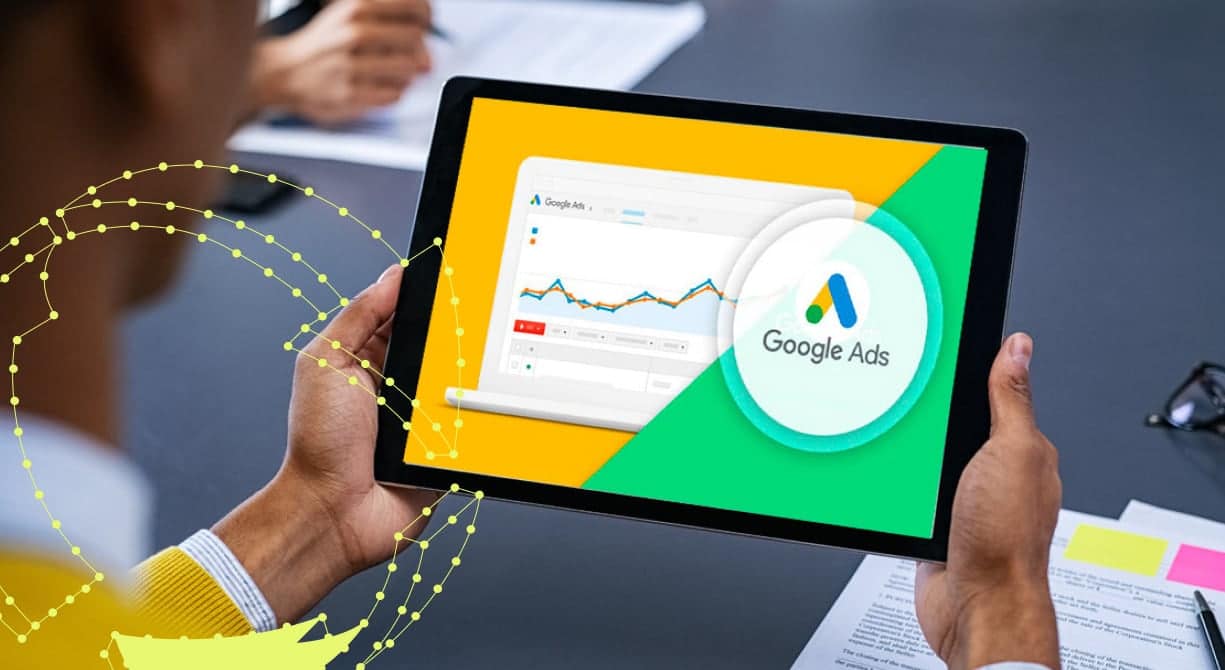
Google Ads can put you in front of people who are actively looking, but it is also an easy place to waste money. Three things matter most: keywords, location settings and ad copy.
Keywords with buying intent
"Insulation contractors near me" and "attic spray foam contractor" usually signal someone ready to hire. "DIY spray foam" does not. Organize campaigns around the services you want to sell, such as attic insulation, crawl space insulation or metal building insulation, and match them with specific phrases. Add negative keywords for terms that bring the wrong clicks, like DIY, jobs, careers, kits and free. Review the search terms report regularly to find new ones.
Targeting your service area
Show ads only where you actually work. In Google Ads you can target by city, ZIP code or radius around your location, and exclude areas you do not serve. Google's help page on location targeting explains the options, including targeting people physically in your locations versus people who have shown interest in them.
- Base your radius on where your crews can travel and still make money, not on how far you want to reach.
- Exclude towns or ZIP codes you do not serve or that rarely produce profitable jobs.
- Check the location report often. Some areas will perform better than others, so shift budget toward the winners.
- Tighter targeting with a message built for your core area usually beats wide, thin coverage.
Ad copy that earns the click
Answer the searcher's question and give a reason to call. Lead with a benefit, name the service and place, and end with a clear next step. An example: "Spray Foam Insulation in [City] | Free Estimates" with a description such as "We install open-cell and closed-cell spray foam in attics, walls and crawl spaces. Call for a free estimate." Only say what you can back up. The FTC's advertising guidance says advertisers need evidence for their claims before an ad runs, so avoid promising specific energy savings or percentages you cannot support.
For campaign setup details, see our Google Ads framework for spray foam contractors and our post on Google Ads for insulation businesses.
Step 4: Use Facebook and Instagram to Fill the Pipeline
While Google catches people who are looking for you, Meta helps you reach people who need you but are not looking yet. Spray foam is a visual transformation, so use that.
Set it up right
Create a Meta Business account, install the Meta Pixel (or use Meta's server-side option) on your site so you can measure conversions and build retargeting audiences, and choose a campaign objective that fits your goal. Meta offers both on-platform lead forms and sending people to your website. Forms are quicker for the customer, while a landing page lets you show more proof, so test both and compare lead quality, not only the number of leads.
Target locally
Set your location by radius or ZIP code and exclude places you do not serve. Layer on interests or other audience options only as far as they help, and keep in mind that Meta changes its targeting options over time, so check what is currently available rather than relying on an old checklist.
Creative that works for this trade
- Before-and-after photos and short videos of real jobs
- Your crew at work, which humanizes the company
- Customer testimonials, used with permission
Write copy around problems your customers actually have: high energy bills, uncomfortable rooms, moisture or noise. Include a clear call to action such as requesting a free estimate. Test one change at a time, like the image, the headline or the audience, so you can tell what made the difference.
For more on organic social, read our social media playbook for spray foam contractors.
Step 5: Bring Back Visitors With Retargeting
Most people who visit a contractor's site do not call on the first visit. Spray foam is a planned purchase, and homeowners often compare several companies over days or weeks. Retargeting (also called remarketing) uses a tracking tag on your website to show follow-up ads to people who visited, on Google, Meta and other platforms.
Segment your audience
- People who reached your contact or estimate page but did not submit: they are the closest to calling, so remind them what you offer and how easy the next step is.
- Blog and guide readers: they are still researching, so show education, finished jobs and reviews rather than a hard sell.
- Residential and commercial visitors: send each group ads that fit their needs.
Make the ads specific
Generic "come back" ads do not do much. Use photos from your own jobs, quotes from real reviews and a specific action, such as "Request a free estimate" or "Call us today." Avoid made-up urgency, invented customer counts or discounts you do not really offer. If you run a seasonal offer, make it real.
Keep it from becoming annoying
- Cap how often one person sees your ads, and refresh the creative so it does not go stale.
- Match how long you retarget to how long your customers take to decide, which is often longer for commercial work.
- Exclude people who have already called or submitted a form.
- Once you have enough data, try lookalike audiences to find new people who resemble your best leads.
Retargeting relies on tracking visitors, so make sure your privacy policy explains it and that your tags respect visitors' consent choices. Ask whoever manages your website to confirm.
Step 6: Send Clicks to a Page Built to Convert

Your ads are only half the job. If someone clicks and lands on a slow, confusing or untrustworthy page, you have paid for nothing. Each campaign should point to a page focused on one action: calling you or requesting an estimate. A generic homepage is one of the most common mistakes in contractor advertising.
- A headline that matches the ad and names the service and place.
- A few clear benefits, real project photos and customer reviews.
- Your phone number near the top, a click-to-call button on mobile and a short form.
- Trust signals you actually hold, such as SPFA certification, insurance, license information and review ratings.
- Fast loading and a layout that works well on phones.
Our guide to designing a high-converting spray foam landing page goes deeper.
Step 7: Measure What Matters
You cannot manage what you do not measure. Ad platforms report clicks, but you care about calls, booked estimates and jobs.
Core metrics
- Cost per lead (CPL): total ad spend divided by the number of leads. It tells you what it costs to make the phone ring.
- Conversion rate: leads divided by clicks, times 100. It shows how well your landing page works.
- Cost per booked estimate and cost per job: the numbers that decide whether ads pay off. A cheap lead that never books is not cheap.
- Return on ad spend (ROAS): revenue from ad leads divided by ad spend. For example, a 5 to 1 ROAS would mean $5 in revenue for every $1 spent.
Track the phone calls
For most contractors, calls are the main lead source. Use call tracking so you know which campaigns, keywords and locations produce calls, and set up conversion tracking for forms and calls in your ad platforms. Record each lead's source in your CRM or job software, and note which ones became jobs. That is how you feed real results back into your decisions. Answer new leads quickly, since a slow response wastes a lead you paid for.
For more on this, see our monthly marketing KPIs and how to track and analyze your insulation marketing ROI.
Common Mistakes to Avoid
- Sending all ad traffic to the homepage.
- Running ads outside the area you serve.
- Not tracking phone calls.
- Judging results by clicks or lead counts instead of booked jobs.
- Using the same message for homeowners and commercial buyers.
- Turning ads on and off repeatedly, so platforms never have time to learn.
A 90-Day Rollout
Days 1 to 30, foundation: complete your Google Business Profile, set up call and conversion tracking, gather your best project photos, request reviews from recent customers and build or improve your landing pages.
Days 31 to 60, launch: start with one or two channels, such as Google Search and, if you are in California or Florida, Local Services Ads, then add Meta ads once tracking is working. Keep budgets modest until you see how leads convert.
Days 61 to 90, improve: review which campaigns produced booked estimates, cut what is not working, test new ads and landing page changes and add retargeting.
DIY or Get Help?
You can run this yourself if you have the time to learn the platforms and review them every week. The risk is spending money while you learn. If you would rather hand it off, we run ad campaigns for insulation contractors, and we can start with a free marketing audit of your current ads and tracking. Call 877-840-3626 (USA) or email info@sprayfoamgeniusmarketing.com. You can also read about our Google Ads and Facebook ads services.
Frequently Asked Questions
How much should a spray foam contractor spend on digital advertising?
It depends on your margins, how many jobs you can handle, your market and your goals. Work backward from the profit on a job and the share of estimates you close, then set a budget you can sustain long enough to learn from. Our post on how much to spend on insulation marketing walks through the math.
What is a good cost per lead for insulation?
There is no single number that fits every contractor. Costs vary by market, service and competition. A good cost per lead is one that, after your close rate, leaves a healthy profit on each job. Track cost per booked job, not just per lead.
Is Google or Facebook better for insulation leads?
They do different jobs. Google Ads catch people searching right now, so they often make sense first. Facebook and Instagram help you reach nearby homeowners earlier and bring back past visitors through retargeting. Many contractors use both.
How long does it take for ads to produce leads?
Ads can start showing soon after your campaigns are approved, but nobody can promise a specific number of leads or a timeline. Expect a period of testing and adjusting before you know what works in your market.
What is the biggest mistake contractors make with ads?
Sending traffic to a generic page. Without a clear offer, proof and an easy way to call or request an estimate, even good ads will not convert visitors into leads.
Is retargeting worth it for a local contractor?
It can be, because most visitors do not act on the first visit. It works best when you have enough site traffic to build an audience, your ads are specific and you track whether retargeted visitors actually call.
Do Local Services Ads work for insulation contractors?
Only in California and Florida for now. Insulation installation contractors in other states cannot run them, and Google controls eligibility and verification. If you are eligible, they can be worth testing because you pay when a customer contacts you from the ad.