
In today’s competitive insulation industry, spray foam contractors face mounting pressure to generate consistent leads while managing tight marketing budgets. Traditional advertising channels like Google Ads often cost $200–$400 per lead. Smart contractors in the insulation industry are discovering a more sustainable path: strategic cross-promotion partnerships that deliver qualified leads at a fraction of traditional costs.
What Is Cross-Promotion for Insulation Contractors?
Cross-promotion is a collaborative marketing strategy where non-competing businesses actively promote each other’s services to their existing customer bases. For spray foam contractors, this means partnering with HVAC companies, home builders, roofing contractors, and energy auditors to create mutually beneficial referral systems.
Unlike occasional referrals, cross-promotion involves structured, ongoing partnerships with clear agreements, shared marketing materials, and measurable outcomes. When a roofing contractor recommends your spray foam services during an attic inspection, that referral carries significantly more weight than any paid advertisement.
The insulation industry is particularly well-suited for cross-promotion because spray foam installation frequently overlaps with other home improvement projects. Homeowners rarely seek insulation in isolation—they’re addressing broader energy efficiency concerns, renovations, or new construction.
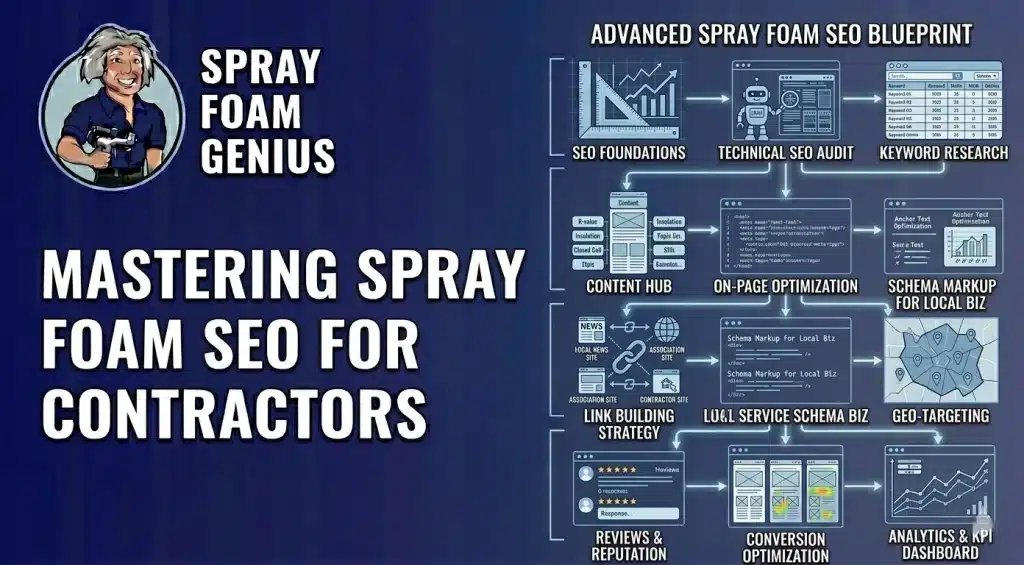
Cross-promotion strategies work most effectively when integrated into a structured growth system like the one outlined in this marketing guide for spray foam contractors.
Key Benefits of Cross-Promotion for Spray Foam Businesses
1. Dramatically Reduced Customer Acquisition Costs
Cross-promotion partnerships generate leads with minimal ongoing costs—typically just relationship management time plus 5-10% referral fees on closed jobs. A contractor spending $3,000 monthly on Google Ads might generate 12-15 leads at $200-$250 each. Through three strategic partnerships (HVAC, roofing, energy auditor), that same contractor could generate 20-30 leads monthly while paying commissions only on completed work.
2. Higher-Quality, Pre-Qualified Leads
Leads from partnership referrals arrive warm and pre-qualified. When a trusted HVAC technician recommends your services while explaining high energy bills, that referral carries enormous credibility. While cold leads from digital advertising convert at 3-7%, partnership referrals typically convert at 15-30% or higher.
3. Expanded Service Area Without Increased Marketing Spend
Geographic expansion through partnerships avoids expensive advertising campaigns. By partnering with builders or HVAC contractors already serving adjacent territories, you gain access to new markets through their local credibility and established client base.
4. Improved Cash Flow Predictability
Strong partnerships function like subscription-based lead generation. A builder constructing 10 homes annually provides predictable insulation opportunities. An HVAC company performing 50 monthly service calls generates steady referral streams, enabling better workforce planning and financial forecasting.
5. Enhanced Professional Reputation
Affiliation with established, reputable professionals enhances your credibility. When prominent local builders consistently recommend your spray foam services, you gain reputation by association, strengthening your market position as a trusted, preferred contractor.
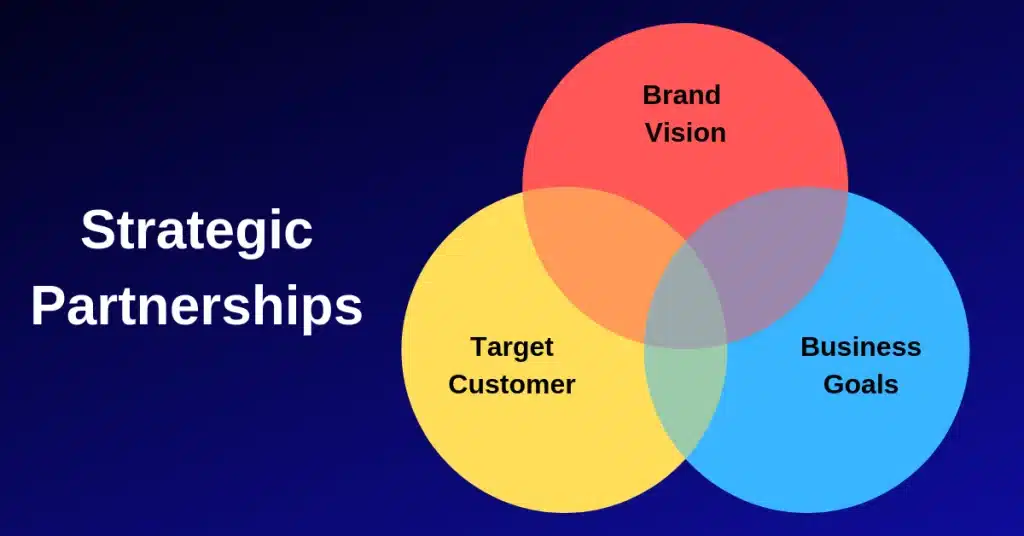
Strategic Partners Every Spray Foam Contractor Should Target
HVAC Contractors
HVAC service calls frequently reveal inadequate insulation as the root cause of high energy bills and system inefficiency. Offer free insulation assessments for their customers experiencing energy problems, creating valuable service the HVAC company can provide.
Home Builders and Developers
New construction represents high-value, predictable opportunities. Target production builders constructing multiple homes annually. Demonstrate reliability, quality standards, and understanding of construction timelines.
Roofing Contractors
Roofers performing inspections or replacements are perfectly positioned to identify inadequate insulation and ventilation issues. Provide simple assessment tools they can use during standard inspections.
Energy Auditors
Professionals conducting energy audits systematically identify insulation deficiencies. These create high-intent leads with allocated budgets for recommended upgrades. Position yourself as their preferred implementation partner.
Real Estate Agents
Agents encounter properties with insulation issues—either sellers preparing homes or buyers requesting repairs. Offer responsive service for pre-listing inspections and quick turnaround for post-inspection repairs.
How to Structure Effective Cross-Promotion Agreements
Step 1: Establish Clear Objectives Document specific goals: monthly referral targets, response time requirements, quality standards, and geographic coverage. Typical objectives might include “Generate 6-10 qualified leads monthly from HVAC partner.”
Step 2: Define Compensation Structure Options include:
- Reciprocal referrals (no cash exchanged)
- Referral fees (typically 5-15% of project value)
- Preferred pricing for volume commitments
- Marketing cost sharing for joint initiatives
Step 3: Create Operational Protocols Define lead handoff processes, response time commitments (24-48 hours typical), quality standards, and communication cadence (monthly reviews recommended).
Step 4: Document Everything in Writing Formalize agreements covering partnership scope, compensation terms, duration, termination clauses, confidentiality, liability, and dispute resolution. Both parties should review with legal counsel.
Step 5: Implement Tracking and Measurement Track referrals sent/received, conversion rates, revenue generated, cost per acquisition, and customer satisfaction. Schedule quarterly reviews to assess partnership performance.
Implementation: Your 30-Day Action Plan
Week 1: Research and Identify Partners
- List 10-15 potential partners in your service area
- Research their business reputation and customer base
- Prioritize based on customer overlap and referral potential
Week 2: Initial Outreach
- Contact top 5 prospects via email or phone
- Request brief meetings to discuss mutual benefits
- Prepare partnership proposal highlighting value proposition
Week 3: Meetings and Negotiations
- Present collaboration opportunities and compensation models
- Discuss operational details and quality expectations
- Address concerns and refine agreements
Week 4: Formalize and Launch
- Draft and sign partnership agreements
- Establish tracking systems and communication protocols
- Create referral materials and train partner teams
- Schedule 30-day check-in meeting
Common Mistakes to Avoid
1. Informal Agreements: Handshake deals often fail. Formalize partnerships with written agreements specifying expectations, compensation, and processes.
2. One-Sided Value: Partnerships fail when only one party benefits. Ensure genuine mutual value through reciprocal referrals or fair compensation.
3. Poor Communication: Establish regular check-ins. Monthly or quarterly reviews maintain engagement and address issues before they escalate.
4. Neglecting Follow-Up: Respond to partner referrals within 24-48 hours with exceptional service. Poor follow-up damages partner reputation and ends referrals.
5. No Performance Tracking: Implement systems to track referrals, conversions, and revenue. Measure partnership ROI to identify top performers and optimize underperforming relationships.
Get Started with Professional Marketing Support
Cross-promotion partnerships deliver sustainable lead generation at dramatically reduced costs compared to traditional advertising. By strategically collaborating with complementary businesses serving your ideal customers, you create predictable revenue streams while building long-term professional relationships.
Ready to implement cross-promotion strategies for your spray foam business?
Contact Spray Foam Genius Marketing for expert guidance on partnership development, marketing automation, and growth strategies.
For USA contractors: 877-840-FOAM
For Canadian contractors: 844-741-FOAM
Email: [email protected]
Frequently Asked Questions
How much should I pay in referral fees to partner contractors?
Referral fees typically range from 5-15% of project value. HVAC and roofing partnerships often use 10% fees, while builder relationships may involve preferred pricing instead. If you’re paying $250 per lead through ads with 20% conversion, a 10% referral fee on closed jobs is significantly more profitable.
How long does it take to see results from cross-promotion partnerships?
Initial partnerships require 60-90 days for consistent referrals. The first 30 days build trust, months 2-3 generate initial referrals, and by months 4-6, mature partnerships deliver predictable monthly leads. Subcontractor relationships with builders may produce immediate results.
What if I don’t have services to reciprocally refer to my partners?
Not all partnerships require reciprocal referrals. Use referral fee structures, co-host educational events, share marketing costs, provide free customer assessments, or offer priority scheduling. Focus on creating genuine value for your partner’s business and their customers.
How do I approach potential partners without seeming pushy?
Lead with value, not self-interest. Research their business and frame outreach around solving their problems. Example: “I notice homeowners struggle with high energy bills even after HVAC repairs. I’d like to offer free insulation assessments for your customers.” Focus on their customer experience, not your lead needs.
What legal considerations should I address in cross-promotion agreements?
Partnership agreements should cover: scope of services, compensation terms, partnership duration, termination clauses, confidentiality provisions, liability and insurance requirements, quality standards, dispute resolution, and regulatory compliance. Both parties should review agreements with legal counsel regarding liability and licensing requirements.
Sources:
- Insulation Contractors Association of America – Industry Standards and Certifications
- Construction Marketing Association – Lead Generation Benchmarks

- Best Practices for Spray Foam Insulation Website SEO - February 14, 2026
- Proven Email Marketing Tips for Spray Foam Insulation Contractors - February 14, 2026
- Creating a Content Strategy for Your Spray Foam Business: A Comprehensive Guide - October 29, 2025