Understanding Spray Foam Insulation Technology
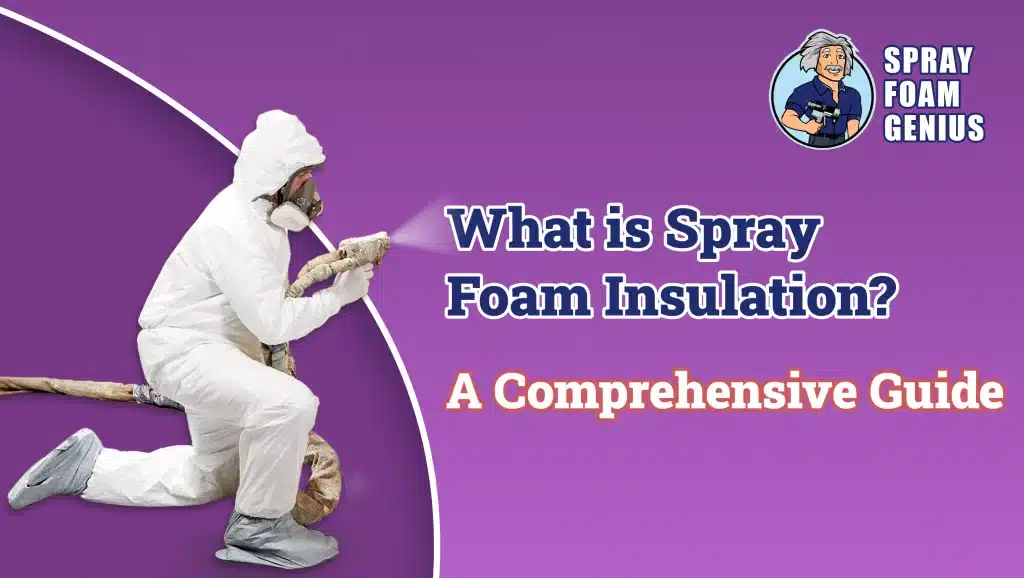
Spray foam insulation is a high-performance insulating material created by mixing two chemical components isocyanate and polyol resin that react and expand to form a solid foam. This advanced insulation solution delivers superior thermal resistance, air sealing, and moisture control compared to traditional insulation materials like fiberglass or cellulose.
For spray foam contractors, understanding the technical properties and application methods is essential to delivering quality installations that meet building codes and exceed client expectations.
Types of Spray Foam Insulation
Open-Cell Spray Foam
Open-cell spray foam (ocSPF) has a lower density (0.4-0.5 lb/ft³) and an R-value of approximately 3.5-3.6 per inch. The cellular structure remains open, making it softer and more flexible. This type excels in interior applications where sound dampening is desired, and it costs less than closed-cell alternatives.
Closed-Cell Spray Foam
Closed-cell spray foam (ccSPF) features a denser structure (1.75-2.0 lb/ft³) with an impressive R-value of 6.0-7.0 per inch. The closed cellular structure creates a rigid, moisture-resistant barrier that adds structural strength to walls and roofs. According to the U.S. Department of Energy, closed-cell foam provides the highest R-value per inch of any residential insulation material.
Key Benefits for Building Performance
Superior Air Sealing: Spray foam expands to fill gaps, cracks, and voids, creating an airtight envelope that reduces air infiltration by up to 50% compared to traditional insulation methods.
Moisture Management: Closed-cell spray foam acts as a vapor barrier, preventing moisture penetration that can lead to mold growth and structural damage. The Environmental Protection Agency emphasizes proper moisture control as critical for indoor air quality.
Energy Efficiency: Buildings insulated with spray foam typically see 30-50% reductions in heating and cooling costs due to superior thermal performance and air sealing capabilities.
Structural Enhancement: Closed-cell foam adds racking strength to walls and can increase structural integrity, particularly beneficial in areas prone to high winds or seismic activity.
Application Methods and Best Practices
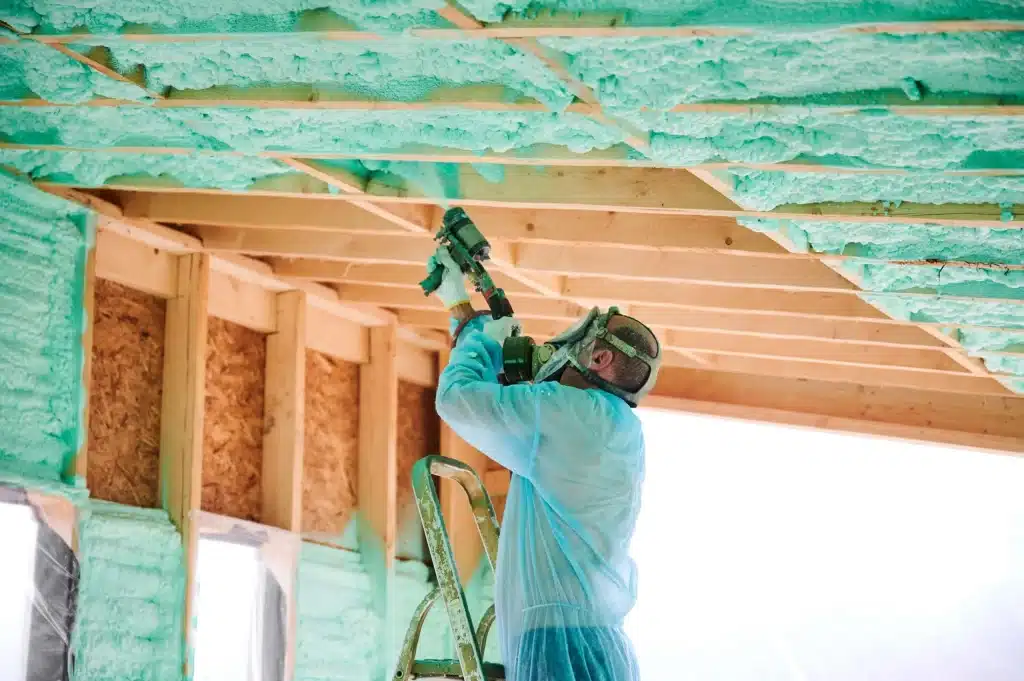
Professional spray foam contractors use specialized equipment including plural-component spray systems, protective gear, and climate-controlled application environments. Proper surface preparation, temperature management (between 60-90°F), and substrate moisture levels below 19% are critical for optimal adhesion and curing.
The Spray Polyurethane Foam Alliance (SPFA) provides comprehensive technical standards and certification programs that ensure contractors maintain industry-leading application practices.
Building Code Compliance
Spray foam insulation must meet International Residential Code (IRC) and International Building Code (IBC) requirements, including thermal barrier and ignition barrier specifications. Most applications require a 15-minute thermal barrier (typically ½” gypsum board) between the foam and occupied spaces.
Contractors should stay updated on ICC code requirements and local amendments that may affect installation specifications.
Market Considerations for Contractors
The spray foam insulation market continues growing, driven by energy efficiency mandates and green building certifications like LEED and Energy Star. Contractors who invest in proper training, quality equipment, and customer education position themselves for long-term success in this expanding industry.
Ready to elevate your spray foam business? Spray Foam Genius Marketing specializes in helping contractors grow their businesses through targeted digital marketing strategies.
Contact us at USA: (877-840-FOAM) or Canada: (844-741-FOAM), or email [email protected].
Frequently Asked Questions
Q1: What’s the difference between open-cell and closed-cell spray foam?
Open-cell is lighter, cheaper, and great for interior sound control (R-3.5/inch). Closed-cell is denser, moisture-resistant, and stronger (R-6–7/inch), ideal for exteriors and damp areas.
Q2: How long does spray foam take to cure?
It cures in about 24 hours. Keep areas ventilated and avoid occupancy during that period to ensure safe air quality.
Q3: Can spray foam be applied in cold weather?
Yes, with precautions. Use preheating, temperature-controlled equipment, and cold-weather foam formulations for proper adhesion.
Q4: Does spray foam need a vapor barrier?
Closed-cell (2+ inches) acts as its own vapor barrier. Open-cell may need one depending on climate and local codes.
Q5: What certifications should spray foam contractors have?
SPFA Professional Certification, manufacturer training, OSHA safety, and optional BPI or state licenses show professionalism and skill.
Sources:
- Residential Spray Foam Guide – Building Science Corporation — A detailed technical guide covering spray foam use in walls, roofs, and foundations. buildingscience.com
- Spray Foam Insulation: A Contractor’s Guide – Accufoam — Essential for understanding types, best practices, and contractor/installation considerations. Accufoam

- Best Practices for Spray Foam Insulation Website SEO - February 14, 2026
- Proven Email Marketing Tips for Spray Foam Insulation Contractors - February 14, 2026
- Creating a Content Strategy for Your Spray Foam Business: A Comprehensive Guide - October 29, 2025