When temperatures soar and air conditioning bills skyrocket, homeowners in hot climates are searching for solutions. As spray foam contractors, you’re uniquely positioned to offer the most effective thermal barrier available today. Spray polyurethane foam (SPF) insulation isn’t just another insulation option—it’s a game-changing technology that addresses the specific challenges of heat-dominant climates through superior thermal resistance, air sealing capabilities, and moisture management.
Understanding why spray foam outperforms traditional insulation in hot environments will help you educate clients, close more projects, and deliver exceptional results that generate referrals and build your reputation.
The Science Behind Spray Foam in Hot Climates
Spray foam insulation creates an airtight thermal envelope that fundamentally changes how buildings interact with extreme heat. Unlike fiberglass batts or blown cellulose, closed-cell spray foam expands to fill every crack and crevice, eliminating the air infiltration that accounts for up to 40% of cooling energy loss in traditional homes.
The cellular structure of spray foam provides an R-value of 6.0 to 7.0 per inch for closed-cell formulations—nearly double that of fiberglass. This means thinner applications achieve superior thermal resistance, crucial when attic temperatures in hot climates regularly exceed 150°F. When outdoor temperatures hit triple digits, that attic heat radiates downward, forcing HVAC systems to work overtime. Spray foam creates a radiant barrier effect while simultaneously preventing convective heat transfer.
Open-cell spray foam, with an R-value of 3.5 to 3.8 per inch, offers excellent air sealing at a lower cost point, making it ideal for interior applications and conditioned attics. The key differentiator in hot climates is spray foam’s ability to prevent heat gain rather than just slow it down—a critical distinction that translates to 30-50% energy savings for your clients.
Moisture Control and Mold Prevention
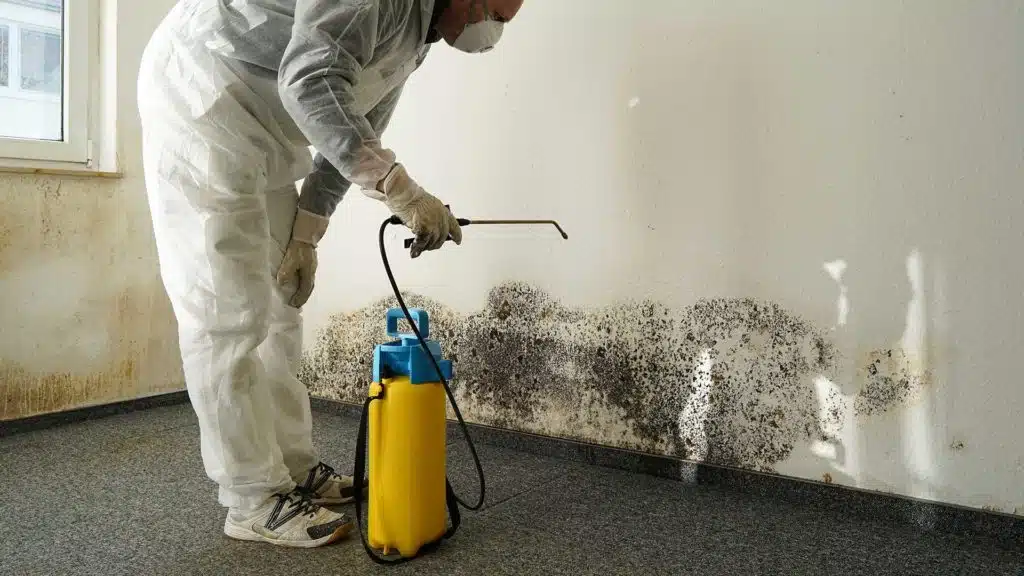
Hot climates present unique moisture challenges that make spray foam particularly valuable. High humidity levels, combined with aggressive air conditioning, create ideal conditions for condensation within wall cavities. This is where spray foam’s vapor barrier properties become essential.
Closed-cell spray foam acts as both an air barrier and a class II vapor retarder, preventing humid outdoor air from infiltrating conditioned spaces and eliminating condensation risks. In coastal hot climates where salt air accelerates corrosion, this protection extends building lifespan significantly. The seamless application means no gaps for moisture infiltration—a common failure point in traditional insulation systems.
For contractors, this translates to fewer callback issues and satisfied clients. Mold growth, which thrives in hot, humid environments, is virtually eliminated when spray foam is properly applied. You’re not just installing insulation; you’re providing comprehensive building envelope protection that addresses the root causes of moisture problems.
HVAC Efficiency and Load Reduction
The impact of spray foam on HVAC performance in hot climates cannot be overstated. When you reduce the cooling load by 30-50%, you’re enabling clients to downsize their HVAC equipment or extend the lifespan of existing systems. Smaller, more efficient units mean lower installation costs and reduced operating expenses.
Air conditioning systems in spray-foamed buildings run shorter cycles, which improves dehumidification, enhances comfort, and reduces wear on compressors. The consistent indoor temperatures—often within 2-3 degrees throughout the entire home—eliminate hot spots common in traditionally insulated structures. This uniformity is particularly noticeable in second-story rooms and bonus spaces above garages, areas that are typically problematic in hot climates.
Present this data to potential clients: a properly insulated 2,000 square-foot home in Phoenix or Houston can save $800-1,500 annually on cooling costs. Over a 20-year period, that’s $16,000-30,000 in savings—a compelling return on investment that helps justify your premium pricing.
Durability and Long-Term Performance
Unlike traditional insulation materials that settle, sag, or degrade from heat exposure, spray foam maintains its performance characteristics for the life of the building. Fiberglass insulation loses effectiveness when temperatures exceed 120°F—a threshold routinely crossed in unconditioned attics in hot climates. The binder in fiberglass can break down under sustained heat exposure, causing the material to compress and lose R-value.
Spray foam, conversely, is engineered to withstand temperature extremes. It doesn’t settle, shift, or create gaps over time. The rigid structure adds racking strength to buildings, improving wind resistance—a significant benefit in hurricane-prone hot climate regions. This structural contribution is a value-add that differentiates your services from commodity insulation installations.
For contractors building their business, emphasizing the lifetime performance warranty and minimal maintenance requirements positions spray foam as a premium, worry-free solution. Your clients make one investment that delivers consistent returns for decades.
Installation Best Practices for Hot Climate Applications
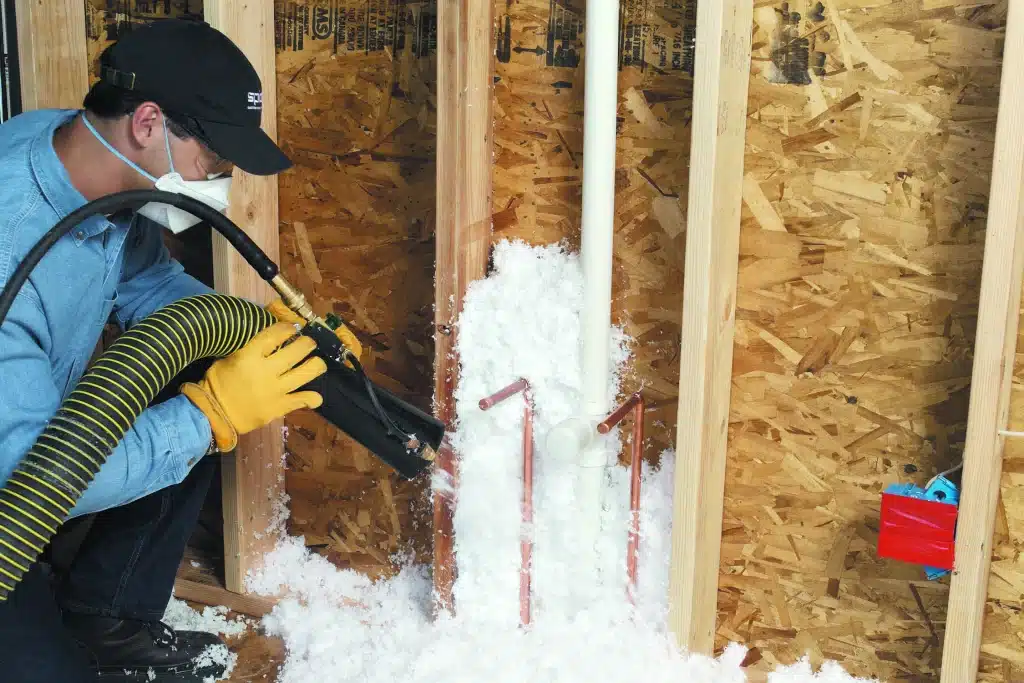
Success in hot climate spray foam installations requires understanding specific application considerations. Substrate temperatures matter: roof decking reaching 170°F requires timing installations for early morning or evening hours to ensure proper foam adhesion and expansion. Using temperature guns to verify surface temps prevents costly application failures.
Ventilation becomes critical when working in hot attics. Ensuring adequate airflow protects your crew and allows proper off-gassing. High-quality spray foam formulations designed for hot climates maintain dimensional stability and don’t shrink or crack under sustained heat exposure.
Educate clients on the importance of proper thickness. In hot climates, 5.5 to 7 inches of closed-cell foam on roof decks provides optimal performance. Cutting corners on thickness undermines the entire value proposition. Your expertise in determining the right formulation—closed-cell for exterior applications, open-cell for interior walls—demonstrates professional competency that builds client confidence.
Take Your Contracting Business to the Next Level
Understanding the science and benefits of spray foam insulation in hot climates positions you as a trusted expert rather than just another contractor. When you can articulate the thermal dynamics, moisture control advantages, and long-term value proposition, you convert more estimates into signed contracts.
The hot climate market for spray foam continues expanding as energy costs rise and building codes become more stringent. Contractors who invest in proper training, quality equipment, and professional marketing consistently build six and seven-figure businesses.
Ready to grow your spray foam contracting business? Spray Foam Genius Marketing specializes in helping contractors like you dominate your local market through proven marketing strategies, lead generation systems, and business development support.
Connect With Spray Foam Marketing Experts
- USA Contractors: 877-840-FOAM
- Canadian Contractors: 844-741-FOAM
- Email Us: [email protected] for detailed information
- Learn More: Visit sprayfoamgeniusmarketing.com to explore our contractor marketing services
Don’t let your competition capture the hot climate spray foam market. Contact Spray Foam Genius Marketing today and discover how strategic marketing can transform your contracting business into the go-to spray foam installer in your region.
Frequently Asked Questions
How does spray foam perform compared to radiant barriers in hot climates?
Spray foam outperforms radiant barriers by blocking all three heat transfer methods: conductive, convective, and radiant, while also providing air sealing. Radiant barriers only reflect heat and offer no insulation value or air sealing benefits.
Can spray foam reduce attic temperatures enough to eliminate attic ventilation requirements?
Yes. When applied to the roof deck, spray foam creates a conditioned attic space, eliminating the need for traditional ventilation. However, always check local building codes as requirements vary by jurisdiction.
What’s the payback period for spray foam insulation in hot climates?
Most homeowners see payback in 5-8 years through energy savings alone. When factoring in home value increase and HVAC longevity, the effective payback period drops to 3-5 years.
Does spray foam insulation work for retrofit applications in existing homes?
Absolutely. Spray foam is ideal for retrofits, with attic applications delivering the highest ROI. Many successful contractors focus exclusively on retrofit installations in older homes with inadequate insulation.
Are there environmental concerns with spray foam in hot climates?
Modern spray foam uses low-GWP blowing agents and delivers massive energy savings over its lifetime. Its durability means no replacement for decades, making it more environmentally friendly than traditional insulation which requires periodic replacement.
Sources:
- Moisture Control – Blocks moisture and prevents mold in humid environments. Read more
- Air Sealing – Creates an airtight barrier, keeping indoor temperatures stable. Read more
- Longevity – Durable and low-maintenance insulation for long-term use. Read more

- Best Practices for Spray Foam Insulation Website SEO - February 14, 2026
- Proven Email Marketing Tips for Spray Foam Insulation Contractors - February 14, 2026
- Creating a Content Strategy for Your Spray Foam Business: A Comprehensive Guide - October 29, 2025