
Lead marketplaces and pay-per-lead ads promise a quick way to fill the schedule. Angi and HomeAdvisor sell homeowner requests to contractors. Google Local Services Ads (LSAs) put your business at the top of local search and charge you for valid leads. For insulation and spray foam contractors, the real question is whether the leads turn into profitable jobs, and what you are left owning once the budget stops.
The short answer: these platforms can work as a short-term tool, but none of them builds an audience you own. The strongest approach for most contractors is to test them carefully, track results by booked job, and build search visibility on the side so you depend less on rented leads.
The Short Version
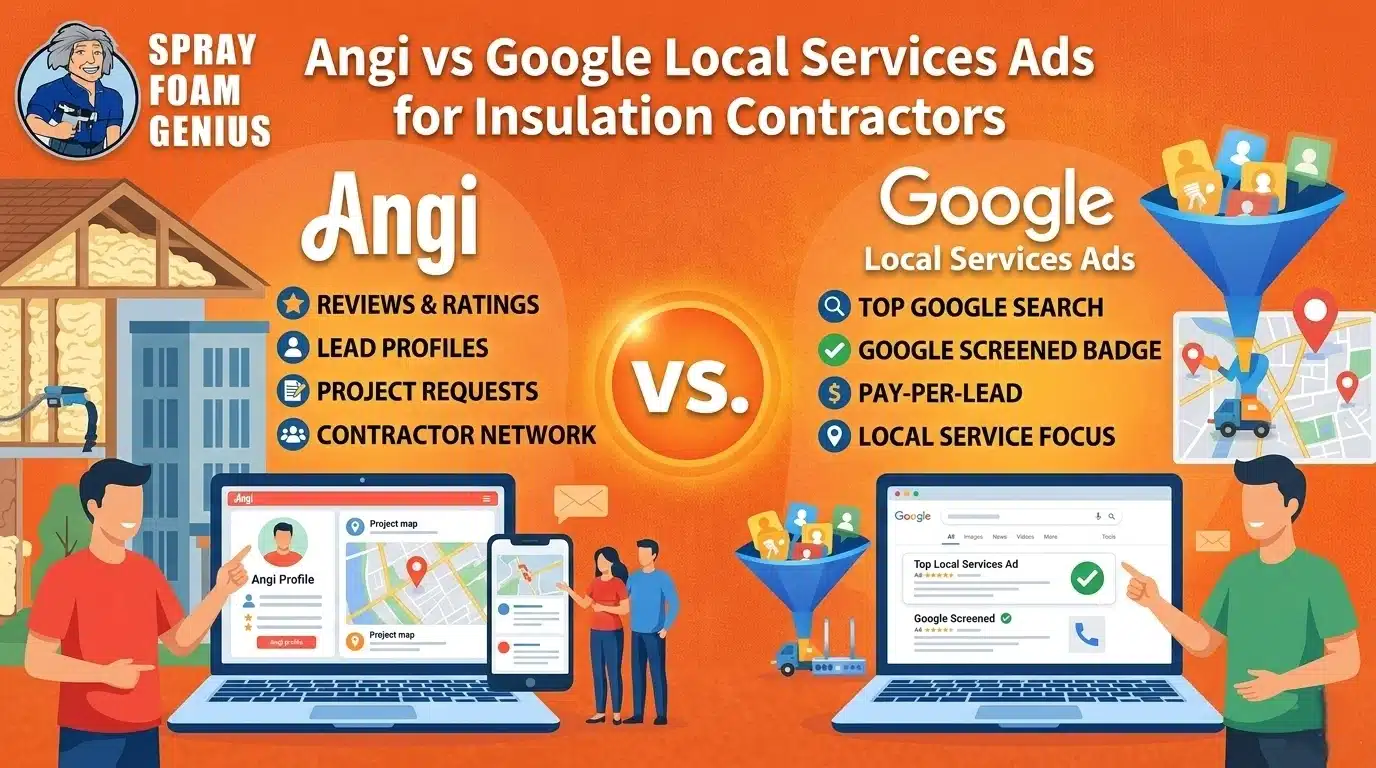
- Google Local Services Ads: Google says you are charged for each valid lead, and prices vary by location, job type and lead type. Ads show above standard results, with a Google badge for verified businesses. Availability is limited: insulation installation contractors can currently use them only in California and Florida.
- Angi and HomeAdvisor: marketplaces where a homeowner submits a request and the platform sends it to contractors, usually more than one. You pay for the lead whether or not you win the job. The two brands have been operated by the same parent company, and plans and terms change, so confirm current rules before you sign up.
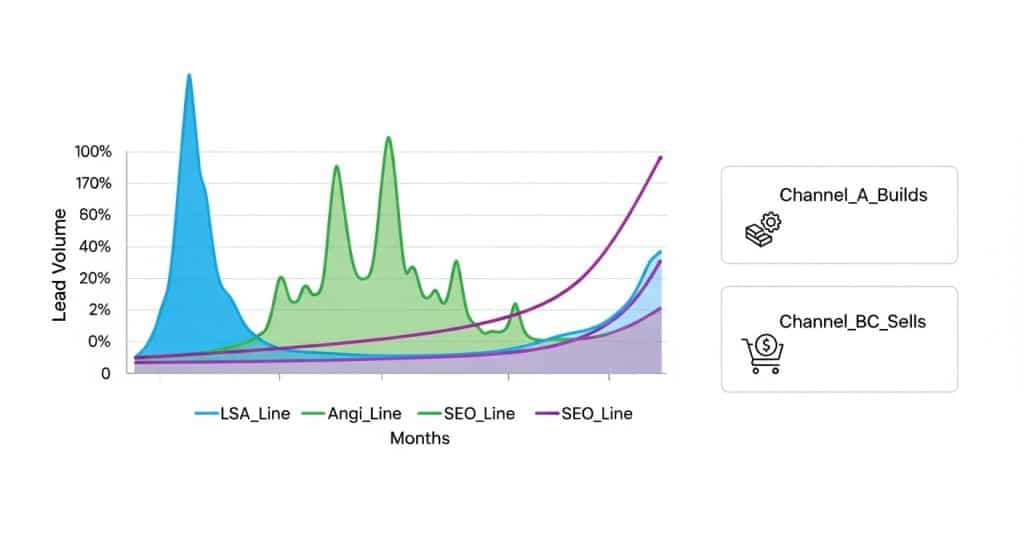
- Neither builds a lasting asset. When you stop paying, the leads stop.
- SEO and Google Maps visibility take longer, but they build traffic and reviews you own and can lower your dependence on paid platforms over time.
How Each Lead Source Works
Google Local Services Ads
LSAs are Google’s own format for local service businesses. Google’s help page says you are charged for each valid lead that comes through your ad, that lead prices vary by location, job type and lead type, and that your ad stops showing once you reach your monthly maximum. Google also describes a process for disputing leads you believe are not valid, so read the current rules. Right now, Local Services Ads are available to insulation installation contractors only in California and Florida, so contractors in other states cannot run them. Google can change this, so check its Local Services Ads page for your area. Google has been moving from the Google Guaranteed badge to a Google Verified badge earned through screening and verification.
Angi and HomeAdvisor
These platforms work like a directory and request service. Homeowners submit a project or browse pros, and the platform passes the request to contractors who pay for it. Because a request can go to several contractors, speed and price often decide who wins. Prices are not published as a single rate, and the details differ by trade and plan, so ask for the current lead pricing, credit rules and how many contractors receive each lead before you commit.
It also helps to know the history. In 2023 the FTC finalized an order against HomeAdvisor, Inc. that bars unsupported claims about the quality of its leads and how often they turn into jobs (FTC press release). The practical lesson is to judge any platform by your own booked jobs rather than by sales claims.
Cost and ROI: The Math That Matters
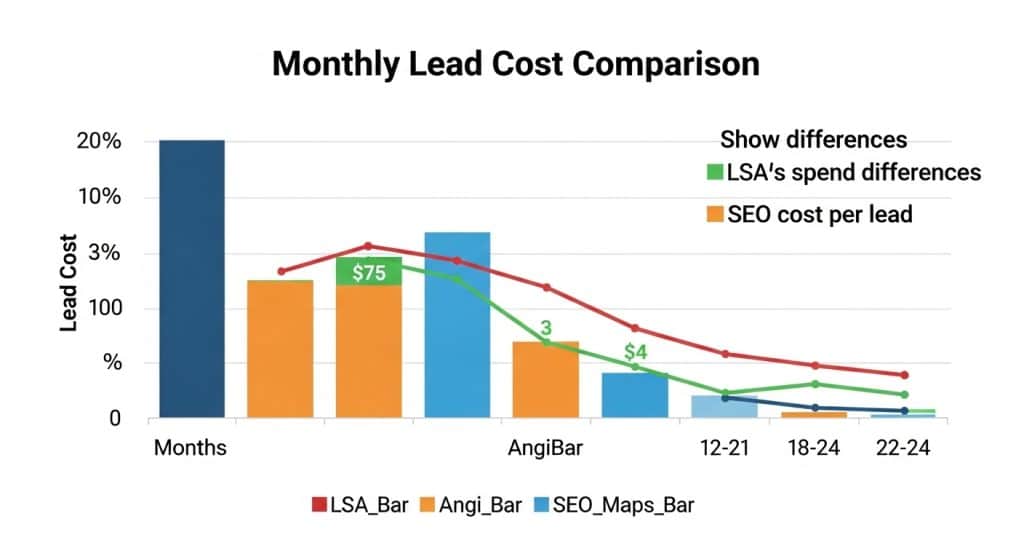
Lead price is only the start. What matters is your cost per booked job and the profit left after materials and labor. Here is a simple example with made-up numbers, just to show the arithmetic:
- You buy 20 leads at $50 each: total spend is $1,000.
- You close 2 jobs worth $3,500 each: revenue is $7,000, so the leads look profitable.
- You close only 1 job: revenue is $3,500, and after materials, labor and your time the profit shrinks fast.
That swing is why many contractors find marketplace leads inconsistent. Close rate, job size and margin decide whether a channel pays, and all three are numbers you can only learn by tracking your own leads.
What Contractors Often Experience
- Leads that went to other contractors too, which leads to quick price comparisons.
- Homeowners who are early in the process or shopping on price.
- Lead quality that varies from week to week.
- Spend that rises with volume and with competition in your market.
- A need to answer fast, because the first contractor to call often has the advantage.
When These Platforms Work and When They Do Not
They tend to work when you have
- A fast response process, so someone answers calls and messages within minutes.
- Strong phone sales skills and a clear value proposition, not just the lowest price.
- Job margins high enough to absorb lead costs and the leads that do not close.
- Someone dedicated to follow-up.
They tend to fail when you have
- Slow responses or missed calls.
- Weak sales scripts or low closing confidence.
- Thin margins.
- No other lead sources, so every lead has to convert.
Three Typical Situations
- New contractor: marketplaces (or LSAs, in California and Florida) can bring early jobs while you build a portfolio and reviews, then you shift toward SEO and referrals.
- Established company scaling: they can fill schedule gaps or test a new service area, alongside Google Ads and a strong sales process.
- Small contractor with a tight budget: heavy reliance on shared leads is risky, because a few unclosed leads can erase the profit.
Where the Best Leads Often Come From
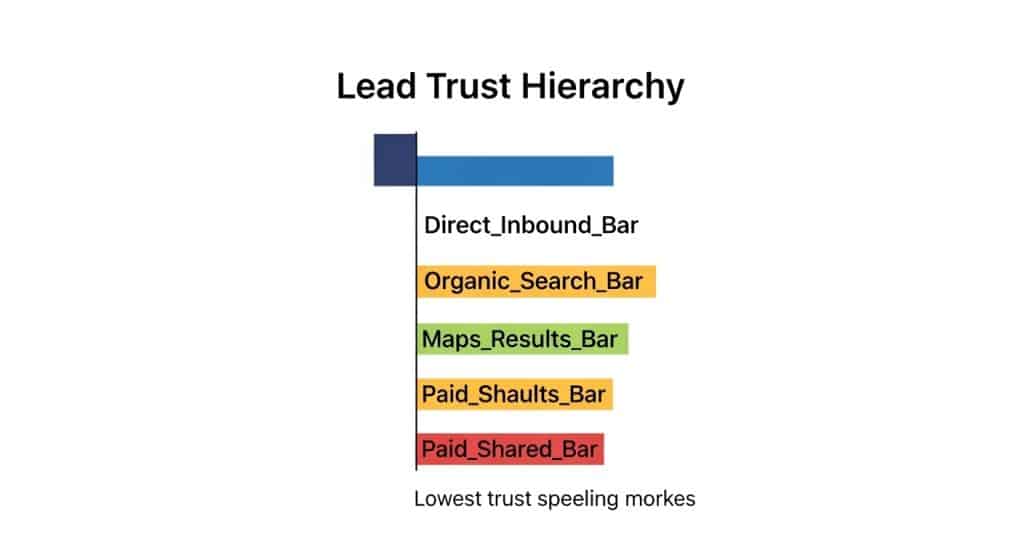
For spray foam and insulation companies, many of the strongest inbound calls come from Google Maps and the local pack, organic search results, brand searches and direct calls. These searchers are looking for a contractor right now, and they have found you rather than being handed to several competitors at once. Track the source and close rate of each so you can compare them with your paid platform leads. Our spray foam leads guide explains where leads come from and what makes one qualified.
The Biggest Mistake: Relying Only on Rented Leads
The most common mistake is depending fully on paid lead channels without building search authority or an organic presence. It leads to price competition, volatile revenue, limited brand value and a business where changes to platform rules or pricing can hit you directly. Use platforms as a tool, not as the whole strategy.
How to Test Them Without Burning Cash
- Set a small, fixed test budget and a time window, such as a few weeks to a couple of months.
- Use call tracking or a lead source field in your CRM, so every lead is tied to a platform.
- Track leads, appointments, closed jobs, revenue and profit for each platform.
- Calculate cost per booked job and compare it with your margin before spending more.
- Review any credit or dispute options each platform offers, and use them for leads that are clearly invalid.
- Decide in advance what result makes you scale up, hold or stop.
Building a Lead System You Own
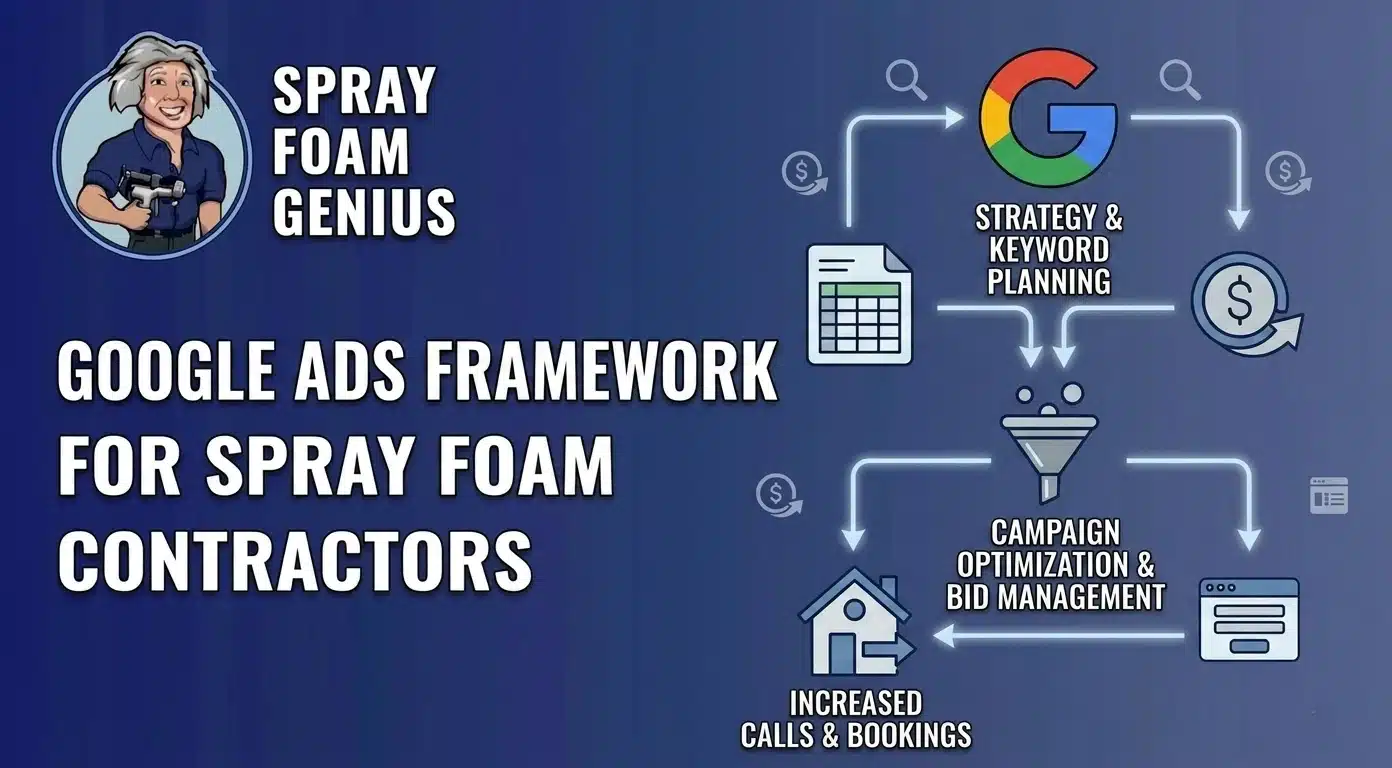
The strongest long-term position combines owned channels with selective paid ones. Build your Google Business Profile and reviews, create service pages for each job and city, publish helpful content, and add paid channels where the numbers support them. See our guides on SEO vs Google Ads for insulation contractors, the Google Ads framework for spray foam contractors and our spray foam SEO strategy.
Frequently Asked Questions
What are Google Local Services Ads?
They are Google’s ads for local service businesses that appear at the top of local search results. Google says you are charged for each valid lead, with prices that vary by location, job type and lead type. Right now, Local Services Ads are available to insulation installation contractors only in California and Florida, so contractors in other states cannot run them. Google can change this, so check its Local Services Ads page for your area.
How does Angi generate leads for contractors?
Angi is a home services marketplace where homeowners submit requests or browse pros, and contractors pay for the leads they receive. A request can reach more than one contractor, so quality and timing vary.
Are HomeAdvisor leads worth it for spray foam contractors?
They can be, under the right conditions: quick response, strong closing skills, healthy margins and a budget that can absorb leads that do not close. For contractors with tight margins or weak follow-up, the cost often outweighs the return. The only way to know is to track your own results.
How much should you budget for LSAs or Angi?
Costs vary by market, competition and job type. Start with a small test budget, track booked jobs and profit, and scale only if cost per booked job fits your margin.
Can paid leads replace SEO for long-term growth?
Not on their own. Paid platforms give fast traffic, but they do not build owned visibility, reviews or content. SEO and Google Maps take longer, and they can lower your dependence on paid channels over time, though no one can guarantee a ranking or a timeline.
When should you invest in SEO versus paid lead platforms?
Use paid platforms for a new launch, a market test or a short-term gap. Invest in SEO and Google Maps when you want to scale, reduce dependence on shared leads and build a brand people look for.
Build a Predictable, Profitable Lead System
Every market, competition level, service area and budget is different. We help insulation contractors design a mix of SEO, Google Maps and paid channels that fits. Ask for a free marketing audit by calling 877-840-3626 or emailing info@sprayfoamgeniusmarketing.com.
Further Reading
Official sources referenced in this article: