
Direct Answer
Affiliate marketing plays a powerful role in spray foam insulation services by helping contractors generate high-quality, pre-qualified leads at a lower cost compared to traditional advertising. By partnering with affiliates such as home improvement bloggers, lead generation websites, and HVAC consultants, insulation businesses can expand their reach, improve conversion rates, and scale revenue predictably without increasing internal sales efforts.
TLDR
- Affiliate marketing helps insulation contractors generate performance-based leads with minimal upfront cost
- It increases local and national visibility through trusted third-party promoters
- Cost per lead is often lower than Google Ads or traditional outbound marketing
- Tracking and attribution systems ensure transparency and ROI measurement
- Strong affiliate programs rely on optimized landing pages and clear commission structures
- Works best when combined with SEO, local search, and Google Business Profile optimization
Understanding Affiliate Marketing in Spray Foam Insulation
Affiliate marketing is a performance-based strategy where third parties promote a business’s services and earn a commission for each lead or sale generated. In the context of spray foam insulation, affiliates may include:
- Home renovation bloggers
- HVAC and energy-efficiency consultants
- Construction and remodeling websites
- Local lead generation companies
- Real estate and property management networks
According to Wikipedia’s overview of affiliate marketing, it is one of the most cost-efficient digital marketing models because businesses only pay for results rather than impressions or clicks.
For spray foam insulation contractors, which operate in a high-ticket, localized service market, this model is particularly valuable because one converted job can generate thousands of dollars in revenue.
For insulation contractors looking to diversify lead sources and strengthen their marketing efforts, this spray foam contractor marketing guide covers a range of proven channels and growth strategies.
Why Affiliate Marketing Works for Spray Foam Insulation
Spray foam insulation services are high-value, trust-dependent, and often require homeowner education before purchase. Affiliate marketing bridges this gap by using trusted voices in the industry.
1. High Trust Factor
Homeowners are more likely to trust recommendations from:
- Home improvement bloggers
- Energy efficiency consultants
- Local contractors with established audiences
Research from Harvard Business School highlights that referral-based marketing significantly increases conversion likelihood due to trust transfer between the affiliate and the buyer.
2. High Ticket Service Advantage
Spray foam insulation projects can range from $2,000 to $10,000+. This makes affiliate commissions highly attractive while still maintaining strong margins.
3. Performance-Based Risk Reduction
Unlike paid ads, affiliate marketing ensures you only pay when results occur. This reduces wasted ad spend and improves ROI predictability.
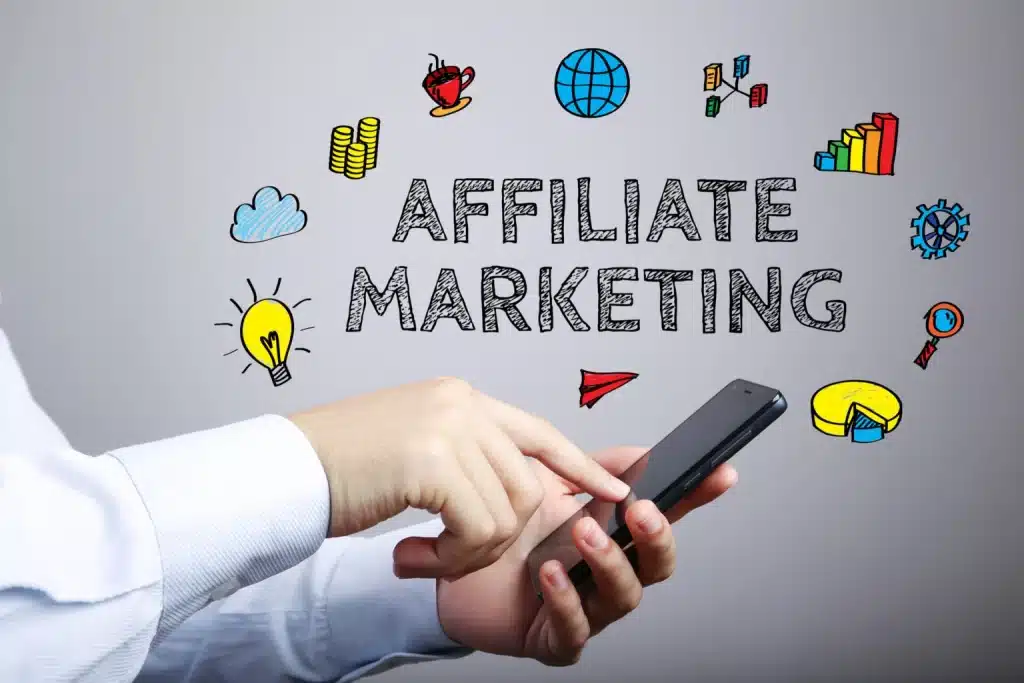
Affiliate Marketing Ecosystem for Spray Foam Contractors
How Affiliate Marketing Drives Revenue Growth
1. Lead Generation at Scale
Affiliate partners create multiple entry points into your business funnel. Instead of relying only on Google Ads or door-to-door sales, you gain exposure across:
- Blogs
- Comparison websites
- Email newsletters
- Local service directories
According to HubSpot, businesses using multi-channel lead generation strategies see up to 24% higher revenue growth than single-channel campaigns.
2. Improved Conversion Rates
Affiliate traffic is often warmer because prospects have already been educated. For example:
- A homeowner reading an article on energy savings is more likely to request a quote
- A visitor from an HVAC referral already has a problem identified
This leads to significantly higher conversion rates compared to cold traffic.
3. Lower Customer Acquisition Cost (CAC)
Traditional Google Ads in home services can cost $40–$150 per click, depending on competition. Affiliate marketing replaces this with performance-based payouts that typically range from $50 to $300 per qualified lead, depending on project size.
Building a Successful Affiliate Program for Spray Foam Insulation
Step 1: Define Commission Structure
A clear and competitive commission model is essential.
Step 2: Create High-Converting Landing Pages
Your affiliate traffic must land on optimized pages with:
- Strong headlines focused on energy savings
- Before-and-after insulation visuals
- Cost calculators
- Testimonials and reviews
Google’s research on user experience signals confirms that page experience directly affects conversion rates.
Step 3: Provide Affiliate Marketing Kits
Equip affiliates with:
- Pre-written articles
- Banner ads
- Email templates
- SEO keywords
- Case studies
This ensures brand consistency and higher performance.
Step 4: Implement Tracking Systems
Use affiliate tracking software to monitor:
- Clicks
- Leads
- Conversions
- Revenue per affiliate
This ensures transparency and prevents attribution disputes.
Common Affiliate Channels That Work Best
1. SEO Bloggers
These affiliates generate evergreen traffic through search engines. Articles like:
- “How to reduce heating bills”
- “Best insulation for cold climates”
2. YouTube Creators
Home renovation influencers can visually demonstrate insulation benefits, increasing trust.
3. Local Service Aggregators
Platforms that collect multiple contractors provide high-volume leads but require competitive pricing.
4. Email Newsletters
Energy efficiency newsletters often have highly engaged homeowners.
Key Challenges and How to Solve Them
Challenge 1: Low-Quality Leads
Solution:
- Use lead validation filters
- Require phone verification
- Set qualification criteria
Challenge 2: Affiliate Fraud
- Use tracking software with IP monitoring
- Require approval before payouts
Challenge 3: Inconsistent Branding
- Provide strict affiliate guidelines
- Supply approved marketing assets
Strategic Benefits of Affiliate Marketing in This Industry
Affiliate marketing is especially powerful in spray foam insulation because:
- It aligns with high-value home improvement cycles
- It builds trust before the sales call happens
- It reduces dependency on paid ads
- It supports scalable geographic expansion
According to Statista affiliate marketing reports, affiliate-driven revenue accounts for approximately 15–20% of online sales across industries, showing its growing importance in performance marketing ecosystems.
Grow Your Spray Foam Business with Predictable Affiliate Leads
Affiliate marketing is not just a traffic strategy; it is a complete growth system that turns partnerships into predictable revenue streams. At Spray Foam Genius Marketing, we help insulation businesses struggling with inconsistent leads or high ad costs build a performance-based affiliate engine.
Start optimizing your lead generation system today and unlock scalable growth through trusted partnerships and data-driven marketing strategies.
Contact us:
USA: 877-840-FOAMCanada: 844-741-FOAMEmail: info@sprayfoamgeniusmarketing.com
A well-structured affiliate program can become the most reliable and cost-efficient sales channel for your insulation business when executed with tracking, trust, and strategic partnerships.
FAQs
1. What is affiliate marketing in spray foam insulation?
Affiliate marketing in this industry involves partnering with websites, consultants, or creators who refer insulation leads in exchange for a commission. It is a performance-based growth model.
2. How much should I pay affiliates per lead?
Most insulation contractors pay between $50 and $300 per qualified lead depending on project size, location, and exclusivity of the lead.
3. Is affiliate marketing better than Google Ads?
It depends on goals, but affiliate marketing often provides lower risk since you only pay for results, while Google Ads charges per click regardless of conversion.
4. How do I track affiliate performance?
You can use tracking platforms that monitor clicks, conversions, and revenue attribution. This ensures transparency and performance accountability.
5. Can small insulation companies use affiliate marketing?
Yes, even small contractors can benefit. Starting with local bloggers, HVAC technicians, and real estate agents can generate consistent lead flow without large budgets.
Sources
Forbes Digital Marketing Analysis (https://www.forbes.com)
Wikipedia: Affiliate Marketing overview (https://en.wikipedia.org/wiki/Affiliate_marketing)
Harvard Business Review: Trust and consumer decision-making insights (https://hbr.org)
HubSpot Marketing Statistics and lead generation insights (https://www.hubspot.com)
Google Search Central: UX and ranking guidelines (https://developers.google.com/search/docs)
U.S. Small Business Administration marketing guidance (https://www.sba.gov)
Statista Affiliate Marketing Industry Reports (https://www.statista.com)