
Direct Answer
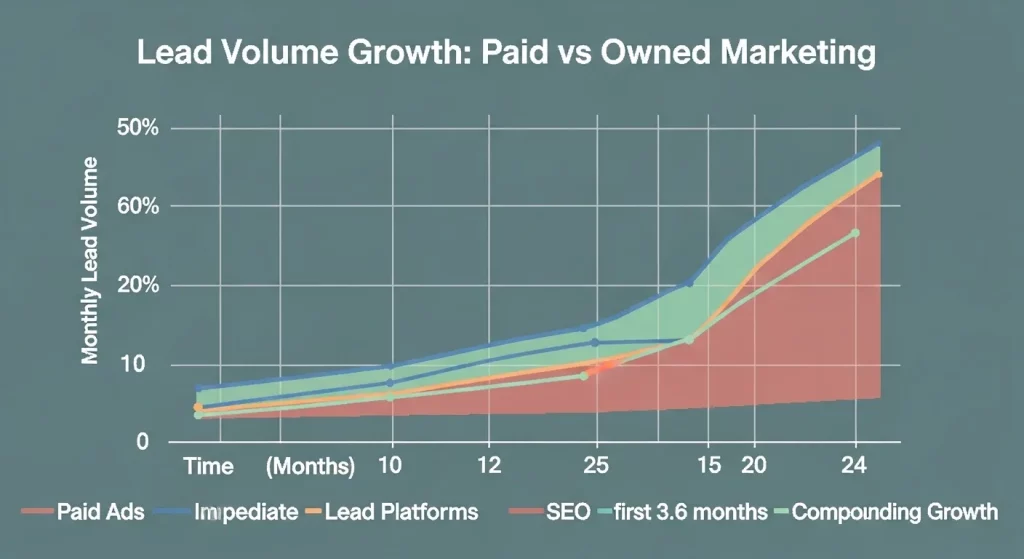
If you want immediate leads, hiring an agency or buying paid leads can generate activity quickly, but it stops the moment you stop paying. Building in-house marketing, especially SEO and Google visibility, takes longer, but it becomes a long-term asset that compounds over time.
Agencies and paid platforms operate on rented attention, meaning your visibility depends on monthly spend and algorithm changes. In-house marketing builds owned digital assets like your website, Google rankings, and brand authority that continue producing leads without increasing spend. Moz’s SEO guide
Short-term, agencies can produce faster traction; long-term, owned marketing produces lower cost per lead and greater control. The real difference is whether you want predictable growth, your own or temporary volume you rent.
Insulation contractors looking to improve long-term profitability and lead consistency can apply the strategies outlined in this spray foam contractor marketing strategy guide.
TL;DR
- Agency/paid lead platforms: $1,500–$8,000+/month typical spend
- In-house SEO investment: $1,000–$5,000+/month (tools, labour, content)
- Paid leads can start in 1–4 weeks; SEO typically 3–6+ months
- Paid platforms = rented traffic; SEO = owned digital asset
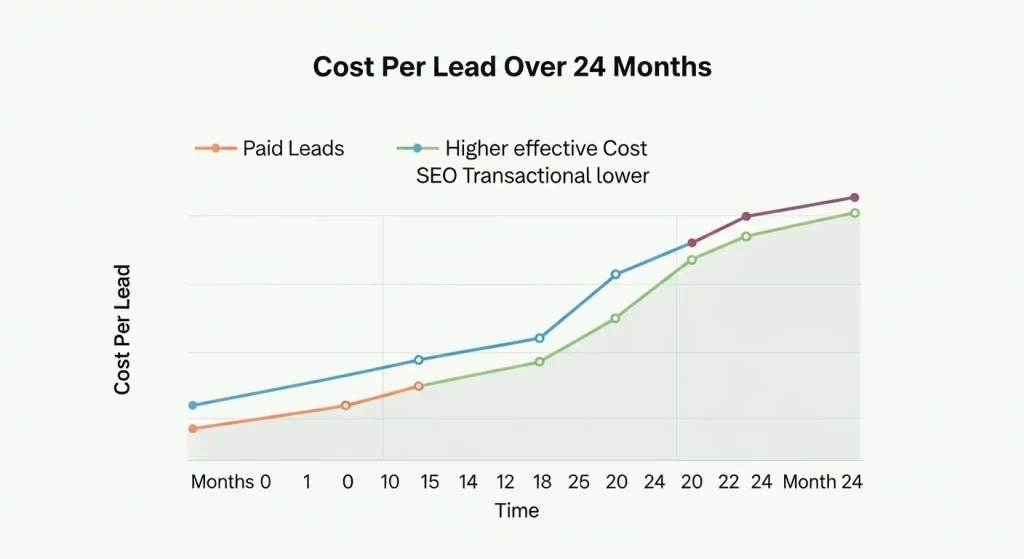
- Cost per lead from shared platforms: $40–$150+, depending on market
- SEO cost per lead decreases over time as rankings improve
- Paid volume tied directly to spend; SEO compounds even at steady spend
- Best strategy often hybrid: short-term paid + long-term asset building
How Each Lead Source Works
Channels Overview
The Core Difference
In-House Marketing Builds
- Owned traffic
- Brand authority
- Organic Google rankings
- Lower cost per lead over time
- Competitive insulation in your market
- Long-term equity
Agencies & Platforms Sell
- Shared leads
- Visibility access
- Speed
- Spend-based volume
- Dependency
- Price-driven competition
Learn why owned traffic is valuable on Search Engine Journal.
Average Monthly Cost Comparison
Costs vary significantly based on competition, city size, and service area.
Cost Per Lead Reality
SEO improves efficiency over time. Paid leads maintain relatively fixed acquisition costs. What Contractors Actually Experience
- Shared leads sent to 3–5 competitors
- Price shoppers comparing multiple bids
- Inconsistent lead quality
- Heavy competition on every estimate
- Closing rates that fluctuate month to month
- Rising costs without improved loyalty
This is common with platforms like HomeAdvisor and Angi. See Forbes critique of shared lead services.
When Each Option Makes Sense
When Paid Platforms Make Sense
- Brand new insulation company
- Entering a new city
- Need immediate pipeline
- Testing market demand
- Filling short-term gaps
When Long-Term Strategy (SEO) Makes Sense
- Scaling revenue
- Reducing dependency
- Lowering cost per lead
- Building market authority
- Creating predictable inbound demand
The Biggest Strategic Mistake
The biggest mistake insulation contractors make is relying entirely on rented lead sources.
Consequences:
- Platform dependency
- Competing on price
- No brand authority
- No control over algorithm or pricing changes
- Revenue instability
When platforms raise prices or reduce lead flow, pipeline drops immediately.
ROI Comparison Table
Real Scenarios
New Contractor
Use paid leads initially while building SEO foundation.
Established Company Scaling
Invest heavily in owned SEO and Maps presence.
Contractor Tired of Price Shoppers
Shift toward organic and brand-driven inbound leads.
Company Wanting Consistent Inbound Demand
Build compounding SEO and local authority strategy.
Where the Best Leads Actually Come From
- Google Maps
- Organic search results
- Brand name searches
- Direct inbound calls
Leads coming from organic search or Google Maps typically trust your company more than directory listings because they searched specifically for insulation services, not for “contractors near me” inside a marketplace. Learn why intent matters on HubSpot.
Visual Graph: Lead Trust Level
Title: Lead Trust by Source
- Highest Trust: Brand search + Organic website
- Moderate Trust: Google Ads
- Lowest Trust: Shared marketplace leads
Illustrates buyer intent and price sensitivity differences.
The Real Question
The real question isn’t “Which channel is better?”It’s: How do we build a predictable lead system that we control?
The answer usually involves building owned visibility first, then layering paid acceleration on top.
Who Should Focus on Long-Term Strategy First
- Contractors with stable revenue
- Companies doing $1M+ annually
- Businesses planning 3–5 year growth
- Owners tired of platform dependency
Who Benefits From Paid Platforms
- Brand-new businesses
- Companies testing a new service
- Contractors entering a new zip code
- Businesses needing immediate volume
The Winning Strategy: Control + Stability
The strongest insulation companies typically use:
- SEO (organic rankings)
- Google Maps optimization
- Paid ads for controlled scaling
- Selective use of paid lead platforms
This hybrid model creates stability while maintaining growth flexibility.
Build the Right Strategy for Your Market
Every insulation market is different. Competition, population density, service area size, budget, and growth goals all impact which mix works best.
If you want a breakdown tailored to your city, competition level, and growth targets, contact Spray Foam Genius Marketing:
- USA: 877‑840‑FOAM
- Canada: 844‑741‑FOAM
- Email: info@sprayfoamgeniusmarketing.com
Start building a predictable, high-quality lead pipeline today. Don’t leave your growth to chance.